If you use a seat belt extender, you have probably wondered at some point whether it is actually legal, and you are not alone. It is one of the most common questions we get asked, and it is a fair one, because the rules around vehicle safety modifications are not always straightforward. The short answer is yes, seat belt extenders are legal in the UK, but as with most things involving road safety, the detail matters. This guide walks you through exactly what the law says, what makes an extender compliant, and where the boundaries lie. After learning all of this, you’ll be able to use yours with complete confidence.
What Does UK Law Say About Seat Belt Extenders?
Wearing a seat belt in the UK is a legal requirement for all occupants, including drivers and passengers. There are very few exemptions, and none of them exist for personal preference or convenience. The law exists for one reason. Properly restrained occupants are significantly more likely to survive a collision.
Seat belt extenders are not explicitly prohibited under UK law. They fall under the broader regulations governing seat belts and supplementary restraint systems, and the key legal principle is straightforward. Any addition to a vehicle’s safety equipment must not compromise its effectiveness or safety standards. An extender that is certified, correctly fitted, and does not alter the protective geometry of the seat belt meets that principle. One that is uncertified, ill-fitting, or introduces excessive slack does not, and using one in that condition is a legal risk as well as a safety one.
It is also worth noting that drivers are legally responsible for ensuring passengers under 14 years old are correctly restrained. This responsibility extends to ensuring that any seat belt modification, including an extender, does not reduce the protection available to younger occupants, and it is one of the key reasons why extenders must never be used with child car seats or booster seats under any circumstances.
When Is a Seat Belt Extender Legal in the UK?
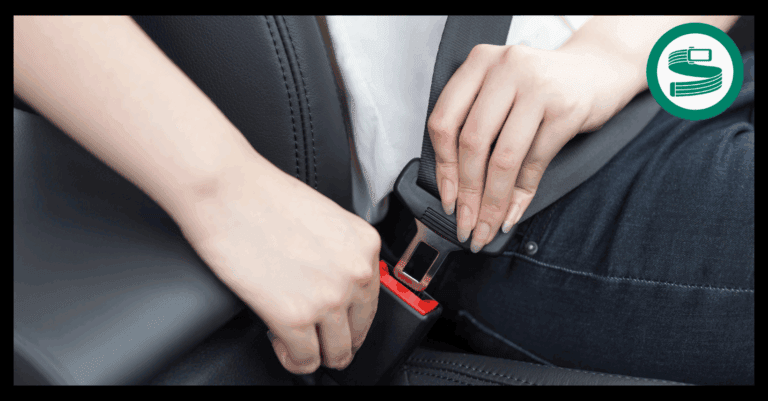
A seat belt extender is legal in the UK when it is used out of genuine necessity, meets recognised safety standards, and is fitted correctly so the belt continues to function as intended. Three conditions must all be satisfied.
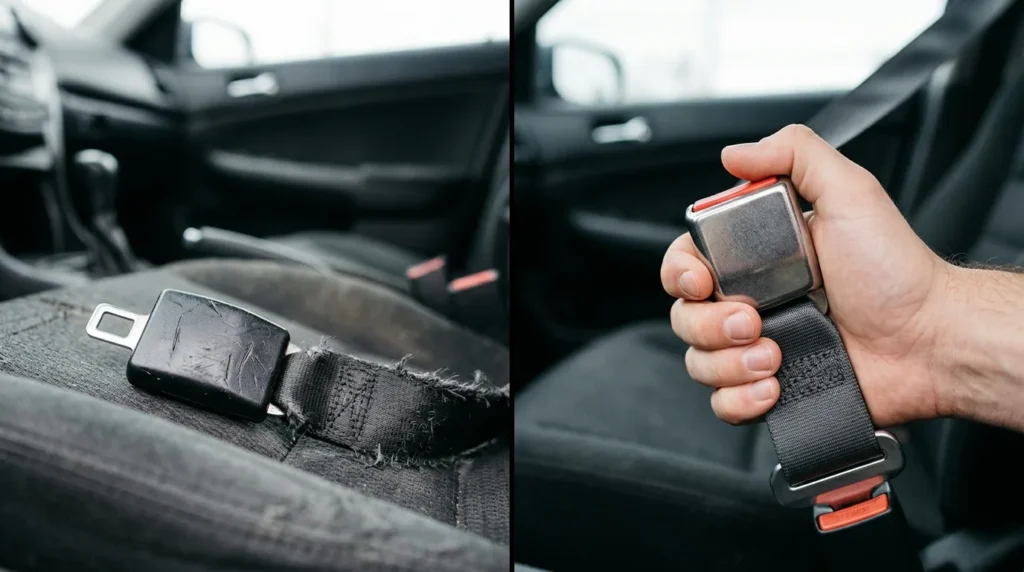
The difference between a certified and an uncertified seat belt extender is not always visible to the naked eye, but in a collision, it is the difference that matters most.
Necessity: The extender must be used because the vehicle’s standard belt is genuinely too short to fasten safely and comfortably. This applies most commonly to plus-size individuals for whom the standard belt does not reach, pregnant drivers and passengers who need the lap belt positioned correctly below the abdomen, and those with certain medical conditions where a standard belt causes pain or cannot be fastened at all.
Quality and certification: The extender must be manufactured to meet recognised automotive safety standards. A product certified to ECE R16 and ISO 9001:2015 has been independently tested to confirm it can withstand the forces of a real collision. An uncertified product carries no such guarantee, regardless of how it looks or feels in your hand.
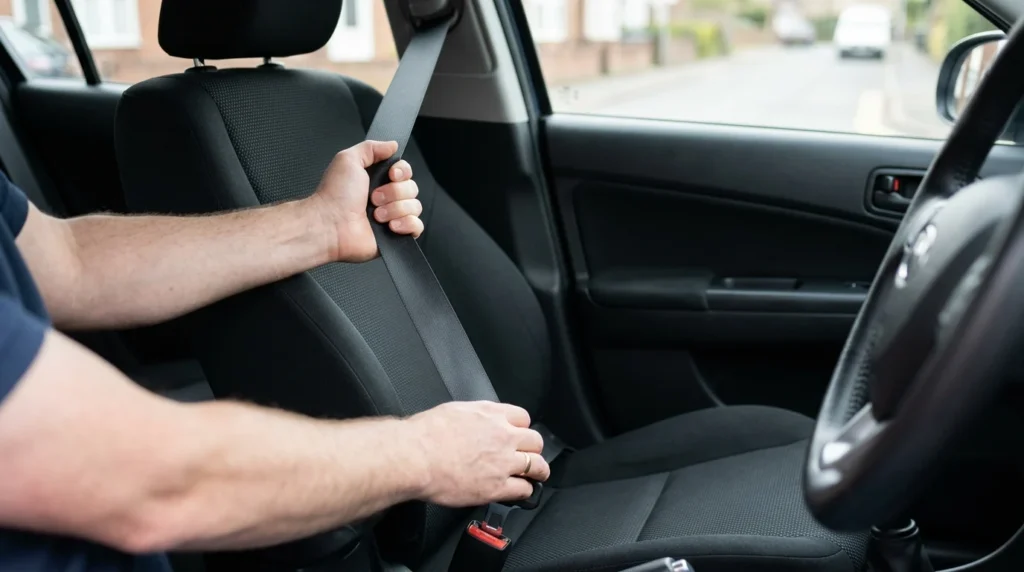
Correct use: The extender must be fitted so the seat belt continues to sit in the correct position. That’s snug and low across the hips and crossing the centre of the chest on a three-point belt. Any slack or misalignment introduced by the extender compromises the belt’s ability to restrain you effectively in a crash.
When Might a Seat Belt Extender Be Illegal or Unsafe?
A seat belt extender used without good reason, bought from the wrong source, or fitted incorrectly stops being a safety aid and becomes a liability. These are the four situations where use becomes problematic.
Unnecessary use: If the standard seat belt fits correctly and comfortably, adding an extender introduces slack and alters the belt’s geometry without any benefit. UK road safety law requires that a seat belt functions as intended. An unnecessary modification that undermines that function is difficult to justify legally or practically.
Poor quality and uncertified products: A cheap, unbranded extender may look identical to a certified one but has never been tested under crash conditions. In a collision, the forces involved are enormous, and a product not built and tested to ECE R16 or ISO 9001:2015 standards can fail at exactly the moment it matters most, leaving the occupant completely unrestrained.
Incorrect application: An extender that causes the lap belt to ride up over the abdomen, or leaves the shoulder belt so loose it crosses the neck rather than the chest, is more dangerous than wearing no belt at all. Correct geometry is what determines whether the belt saves a life or causes additional injury in a crash.
Child car seats: Seat belt extenders must never be used with child car seats or booster seats under any circumstances. Child restraint systems are crash-tested and certified using the vehicle’s original unmodified seat belt. Introducing an extender into that system fundamentally changes the dynamics the seat was designed around, with potentially fatal consequences.
How Does a Seat Belt Extender Affect Your MOT Test?
A seat belt extender does not automatically cause an MOT failure, but the condition it is in and the way it affects the overall belt system are both assessed. Understanding what a tester looks for removes any uncertainty before your vehicle goes in.
A quick inspection before every journey takes seconds. Check the webbing, test the buckle action, and confirm the belt still positions correctly with the extender fitted.
Secure fit and condition: The extender must be firmly connected with no signs of damage, fraying, or excessive wear on either the webbing or the buckle mechanism. A visibly deteriorated extender gives a tester grounds to record a defect regardless of how well the rest of the belt system performs.
Overall system function: The seat belt system is assessed as a whole, extender included. If the combined system can restrain an occupant safely and the buckle latches and releases correctly, it will pass. If the extender compromises that function in any way, it will not.
Belt retraction and geometry: The extender must not prevent the belt from retracting normally or cause it to sit incorrectly across the body. A belt that cannot retract, or that positions poorly due to the extender, is a testable item and a potential failure point.
If you have any doubts about the condition of your extender ahead of an MOT, remove it beforehand and have the belt tested without it. A quick check at home to test the buckle action, inspect the webbing, and confirm correct belt positioning takes less than a minute and could save you a retest fee.
What Are Your Responsibilities as a Seat Belt Extender User?
Owning a seat belt extender comes with a straightforward set of responsibilities. None of them are complicated, but all of them matter because a safety device is only as good as the care taken with it.
Ensure proper fit: Every time you use the extender, confirm the seat belt sits correctly across your body, which is low across the hips and snug across the shoulder. A belt that has shifted position due to a poorly adjusted extender offers significantly reduced protection in a collision.
Regular inspection: Periodically check the extender for signs of wear, fraying on the webbing, cracks in the buckle casing, or any resistance in the release mechanism. If anything looks or feels wrong, replace it before your next journey. Never continue using a damaged safety device.
Purchase from reputable sources: Only buy from suppliers who can confirm their products are certified to recognised safety standards. A trusted UK supplier will be transparent about certifications, compatibility, and the testing their products have undergone. A seller who cannot provide that information is one to avoid.
Understand its limitations: A seat belt extender exists to provide the additional length needed for a correct, comfortable belt fit, nothing more. It is not a tool for bypassing the seat belt system, silencing an alarm without buckling up, or use with child car seats or booster seats under any circumstances.
Use a Seat Belt Extender the Right Way and Drive With Complete Confidence
Seat belt extenders are legal in the UK when used out of genuine necessity, purchased from a reputable supplier, and fitted so the belt continues to function exactly as it was designed to. For plus-size drivers, pregnant passengers, and those with mobility challenges, a certified extender is not a workaround but the correct and lawful solution to a real problem. The key is understanding where the boundaries lie, respecting them, and never using an extender as a substitute for proper restraint or with a child car seat under any circumstances.
Ready to use a seat belt extender you can trust is legal, certified, and built to keep you safe? Browse our full range of UK-tested, certified seat belt extenders, compliant with ECE R16 and ISO 9001:2015, with free Royal Mail delivery on every order.
Mr Seatbelt
I'm a huge fan of travelling, and doing so safely. I write articles about seatbelts to help educate our customers. If you have any questions about seat belts, just ask!