
If you have ever wondered whether you can bring your own seat belt extender onto a plane, whether airlines will provide one, or what the rules are around using one with a child, you are asking exactly the right questions. Airplane seat belt extenders come with their own set of regulations that are quite different from car extenders, and getting it wrong at 35,000 feet is not an option. Aviation safety authorities are strict for good reason, and every airline has policies in place that every passenger should understand before they board. This guide answers the five questions we get asked most often, so your next flight is comfortable, safe, and hassle-free from the moment you take your seat.
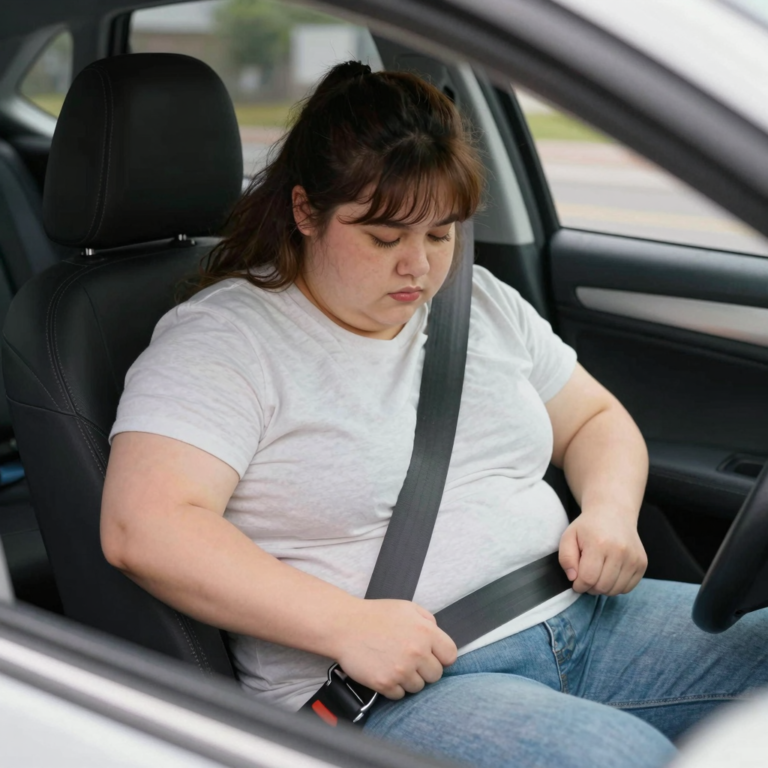
Airplane seat belt extenders serve a wider range of passengers than most people realise. Whether the need is physical, medical, or simply about comfort on a long journey, the reasons are all equally valid.
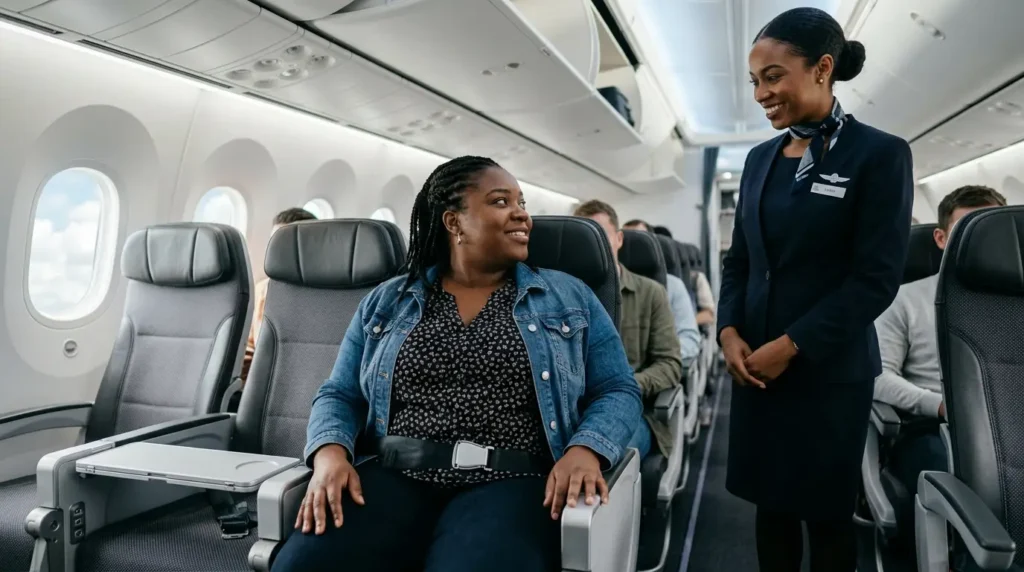
This is the most frequently asked question we receive about airplane travel, and the answer is almost always no. Aviation safety regulations are significantly stricter than road safety regulations, and for good reason.
Every piece of equipment used on a commercial aircraft, including seat belt extenders, must be specifically certified for that aircraft type by the relevant aviation authority, either the FAA in the United States or the CAA in the UK. A personal extender purchased online, however well-made and certified for automotive use, does not carry that aircraft-specific certification. Using one on board could compromise the integrity of the aircraft’s restraint system in a way that a cabin crew member has no way of verifying or controlling.
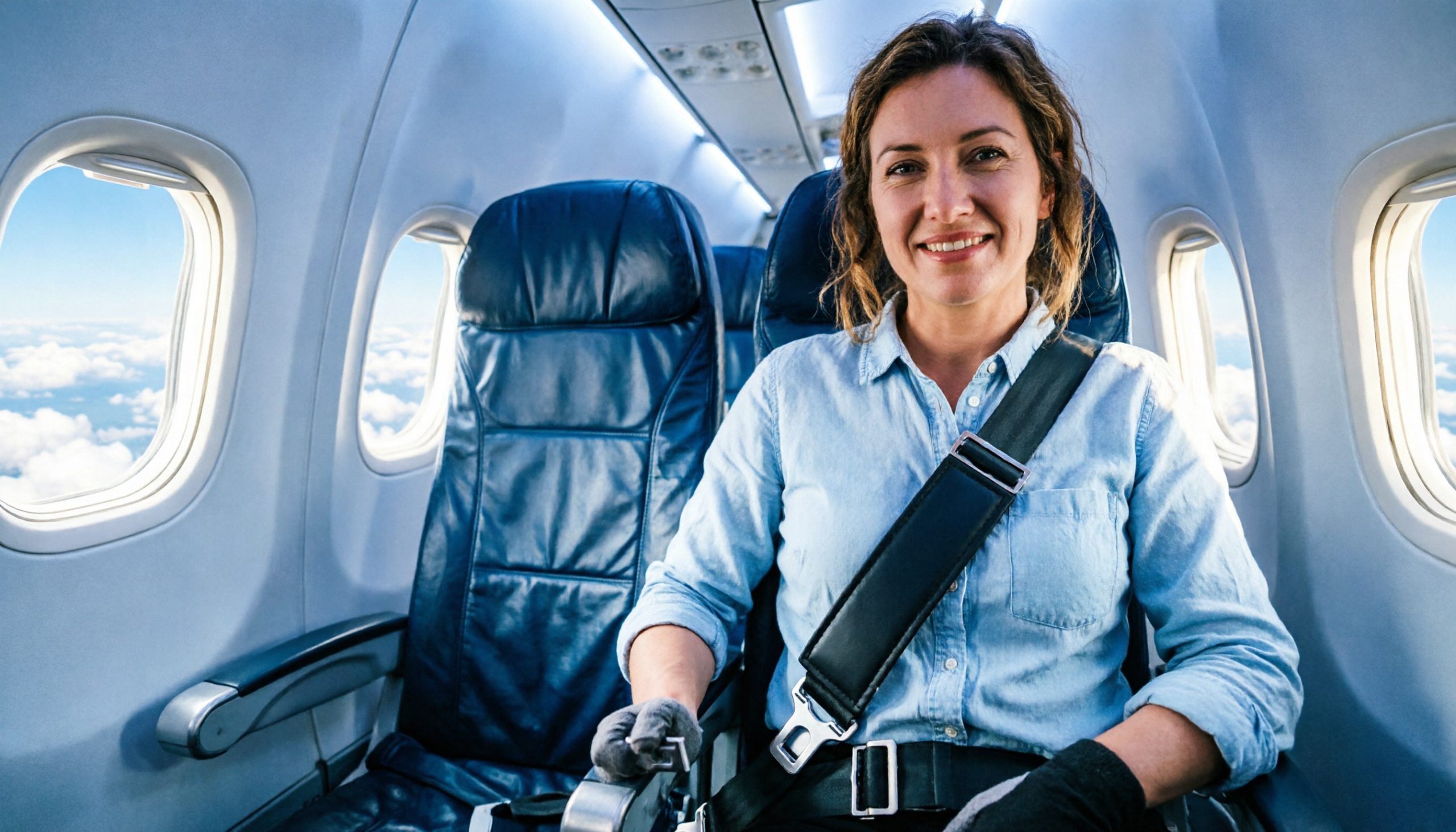
Most major airlines explicitly prohibit personal extenders in their conditions of carriage, and cabin crew are within their rights to ask you to remove one if they spot it in use. The correct approach is straightforward. Once you are seated, quietly request an extender from a flight attendant. They will provide one that is certified and confirmed compatible with the seat belt system on that specific aircraft, and they handle these requests routinely and discreetly every single day.
When it comes to children on board, the rules are clear and the stakes are too high to get wrong. The short answer is that airline-provided extenders can be appropriate in some situations, but never with a child restraint system.
Standard airplane seat belt extenders are not designed or approved for use with child car seats or booster seats fitted on an aircraft. Child restraint systems are independently engineered and certified to work with the aircraft’s existing seat belt system exactly as it was manufactured. Introducing an extender into that setup alters the geometry and tension the restraint was designed around, which can critically compromise its performance in turbulence or an emergency landing.
For children who have outgrown the standard belt length but are not using a restraint system, an airline-provided extender can be a safe and appropriate solution. The key distinction is that the extender must come from the cabin crew, not from a personal bag, and must be confirmed compatible with that aircraft’s seat belt system. Always check with your airline before travel and follow the child restraint manufacturer’s guidelines without exception.
Ryanair, EasyJet, and British Airways all have clear policies in place, and the common thread across all three is the same. Extenders are available on board, but they must come from the cabin crew, not from your hand luggage.
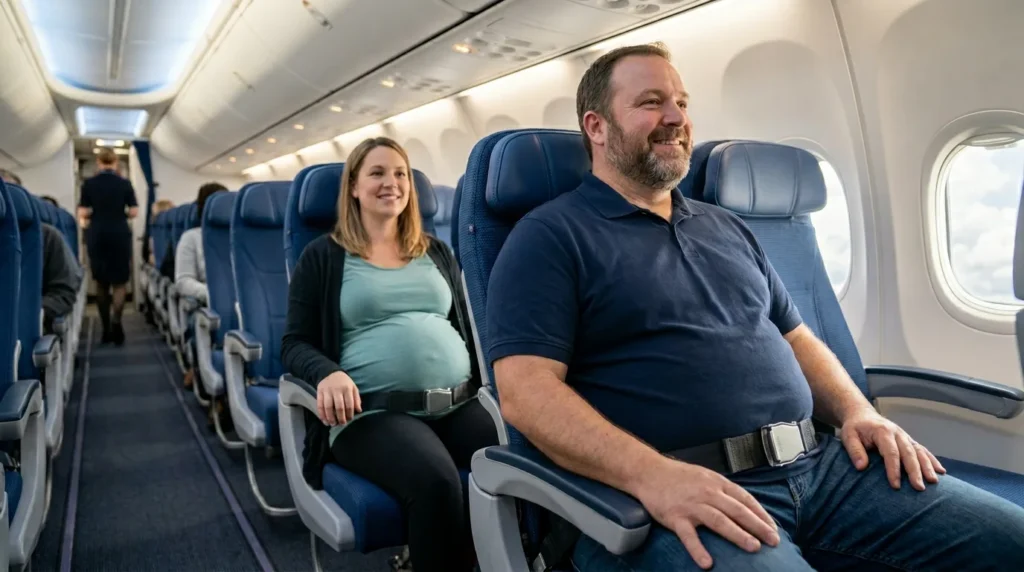
The process across all three airlines is routine, discreet, and efficient. The cabin crew handles these requests every day. Simply wait until you are seated, catch the attention of a flight attendant quietly, and make your request before the safety demonstration begins. Asking early gives the crew time to locate the right extender for your seat position before taxi and takeoff.
Feeling a little apprehensive about asking for a seat belt extender is completely normal, and you are far from alone in that feeling. But it helps to remember that cabin crew are trained professionals whose entire focus is your safety and comfort, and requests like this are part of their everyday routine.
Airplane seat belt extenders are a vital tool for ensuring a safe and comfortable flight for a wide range of passengers. It works for plus-size travellers and expectant mothers, those with mobility challenges, or simply those who prefer a less restrictive fit on a long-haul journey. The rules are straightforward. Always request an extender from the cabin crew, never use a personal one from home, and never use one with a child restraint system under any circumstances. Understanding those boundaries means you can board any Ryanair, EasyJet, or British Airways flight knowing exactly what to do and why.
Ready to fly with complete confidence? If you are a private jet or plane owner, you can get your own extender, but it has to fit. Browse our FAA-compliant airplane seat belt extender, designed specifically for air travel, adjustable from 18 to 61cm, and built to the certification standards that matter when you are at 35,000 feet.