
FREE Postage via Royal Mail | 10% OFF On Orders Over £20

Choosing the Right Seat Belt Extender for Your Car: A Compatibility Guide

Choosing the Right Seat Belt Extender for Your Car: A Compatibility Guide
Table of Contents

Selecting a seat belt extender for your car might seem straightforward, but ensuring compatibility is crucial for both safety and functionality. With a myriad of car models and seat belt designs, a ‘universal’ extender isn’t always truly universal. This guide will help you navigate the complexities of car seat belt extender compatibility, ensuring you choose the right product for your vehicle. Why Compatibility Matters

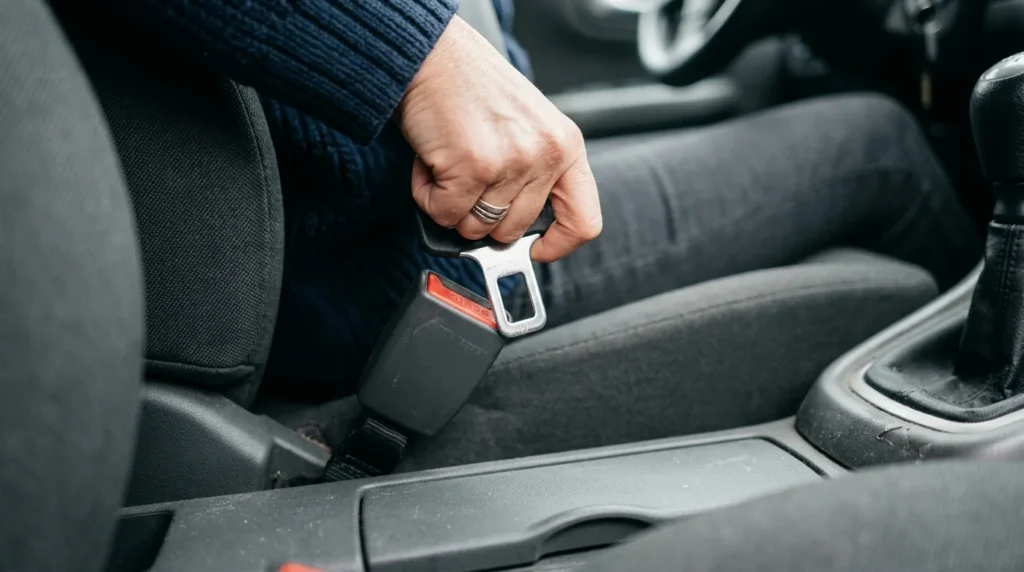
A seat belt extender is a safety device, and its effectiveness hinges on a secure and precise connection with your car’s existing seat belt system. An incompatible extender can:

• Fail to Latch Securely: Leading to a dangerous situation where the seat belt is not properly fastened.

• Become Dislodged in a Collision: An extender that doesn’t fit perfectly might not withstand the forces of an impact, compromising your safety.

• Cause Improper Belt Positioning: If the extender alters the geometry of the seat belt, it could lead to the belt riding up on your abdomen or not sitting correctly across your shoulder, increasing the risk of injury.

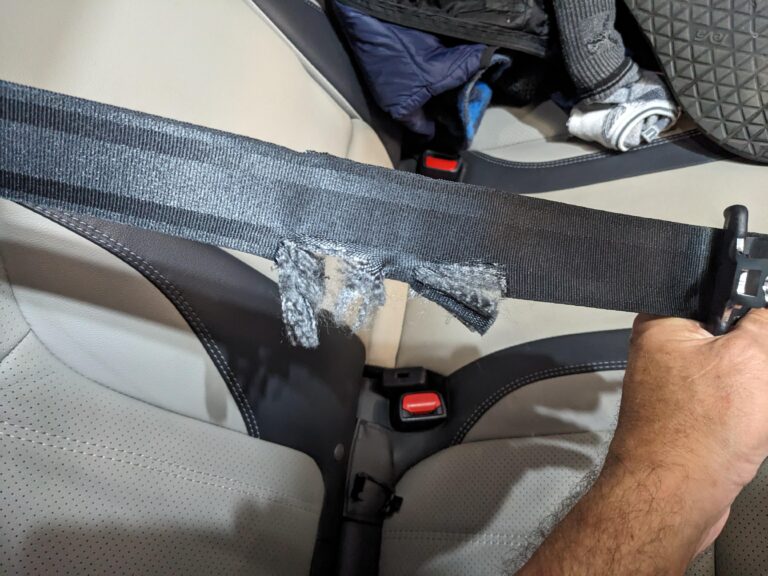
• **Damage Your Original Buckle: Forcing an incompatible extender can damage your car’s original seat belt buckle, leading to costly repairs and potential safety issues.

Key Factors Affecting Compatibility

Several factors determine whether a seat belt extender will be compatible with your car:

1. Buckle Type (Tongue Width & Shape): This is the most critical factor. Car manufacturers use various seat belt buckle designs. The metal tongue of the extender must precisely match the width, thickness, and shape of your car’s original seat belt tongue that clicks into the buckle. There are generally three main types:

• Type A (7/8″ or 2.2 cm): Often found in older vehicles or specific models.

• Type B (1″ or 2.5 cm): A very common size, but variations exist.

• Type C (Specific Designs): Some manufacturers use unique designs that require a custom-fit extender.

2. Buckle Depth: The depth of your car’s buckle receptacle can also vary. Some extenders might be too short or too long to sit flush and securely.

3. Rigid vs. Flexible Extenders:

Rigid extenders stand upright and are ideal for buckles that are hard to reach or recessed. They offer stability but need to be precisely compatible.

Flexible extenders are made with a strap, offering more give and adaptability. They can be more forgiving with slight variations, but might not be suitable if the primary issue is a deeply recessed buckle.

4. Vehicle Make, Model, and Year: Even within the same manufacturer, buckle designs can change between models and model years. What fits a 2010 Ford Focus might not fit a 2020 Ford Focus.

How to Determine Your Car’s Compatibility

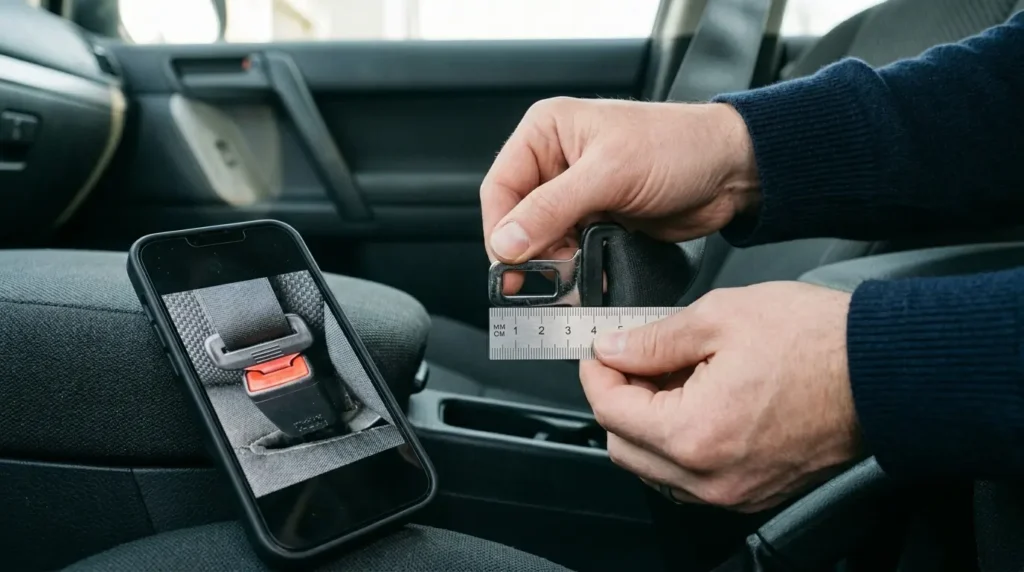
1.Check Your Existing Seat Belt Tongue: The most reliable method is to measure the metal tongue of your car’s existing seat belt. Pay close attention to the width at its widest point and the shape of the cut-outs.

2. Consult Your Car’s Manual: Some car manuals might provide specifications for seat belt components, though this is rare for the buckle tongue itself.

3. Use a Compatibility Database: Reputable seat belt extender suppliers, like SeatbeltExtender.co.uk, often provide comprehensive compatibility databases or guides. These allow you to search by car make, model, and year to find recommended extenders.

4. Contact the Supplier: If in doubt, contact the seat belt extender supplier directly with details of your car (make, model, year, and ideally a photo of your existing seat belt tongue and buckle). They can often provide expert advice.

Incompatible Models: What to Look Out For

It’s important to be aware that some car models are known for having unique seat belt buckles that are difficult to match with aftermarket extenders. For instance, certain Korean, Japanese, American, German, and Chinese car models may have specific designs that are not compatible with standard extenders . Always check the product’s incompatibility list before purchasing.

The Importance of Quality and Certification

Never compromise on quality when it comes to safety equipment. Always choose seat belt extenders that are:

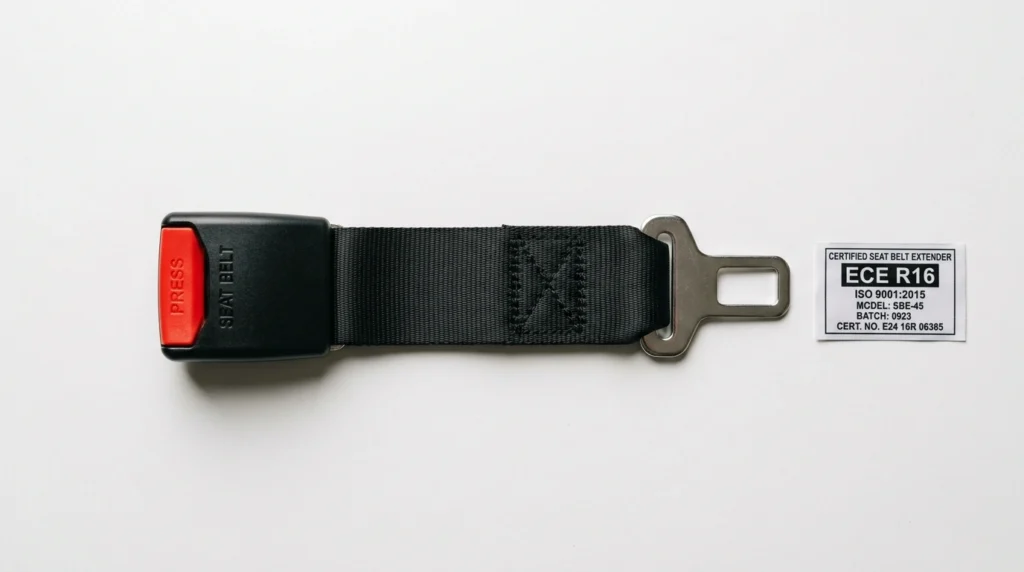
•Certified: Look for extenders that meet international safety standards such as ECE R16, ISO 9001:2015, or DOT registration. These certifications indicate that the product has undergone rigorous testing.

•From Reputable Brands: Purchase from established companies that specialise in seat belt safety products and offer guarantees.

Conclusion

Choosing the right seat belt extender for your car is a critical decision that impacts your safety. By carefully checking your car’s seat belt buckle type, consulting compatibility guides, and opting for high-quality, certified products from reputable suppliers, you can ensure a secure and comfortable fit. Don’t guess when it comes to safety – take the time to verify compatibility and drive with peace of mind.

References

[1] SeatbeltExtender.co.uk. “Compatibility.” SeatbeltExtender.co.uk,