
FREE Postage via Royal Mail | 10% OFF On Orders Over £20

Seat Belt Extenders & Your MOT: What You Need to Know to Pass Inspection

Seat Belt Extenders & Your MOT: What You Need to Know to Pass Inspection
Table of Contents

For many UK car owners, the annual MOT (Ministry of Transport) test can be a source of anxiety. When you use a seat belt extender, questions naturally arise about its impact on passing this crucial safety inspection. This guide aims to demystify the relationship between seat belt extenders and the MOT, ensuring you’re well-informed and your vehicle remains roadworthy.

The Purpose of the MOT Seat Belt Check

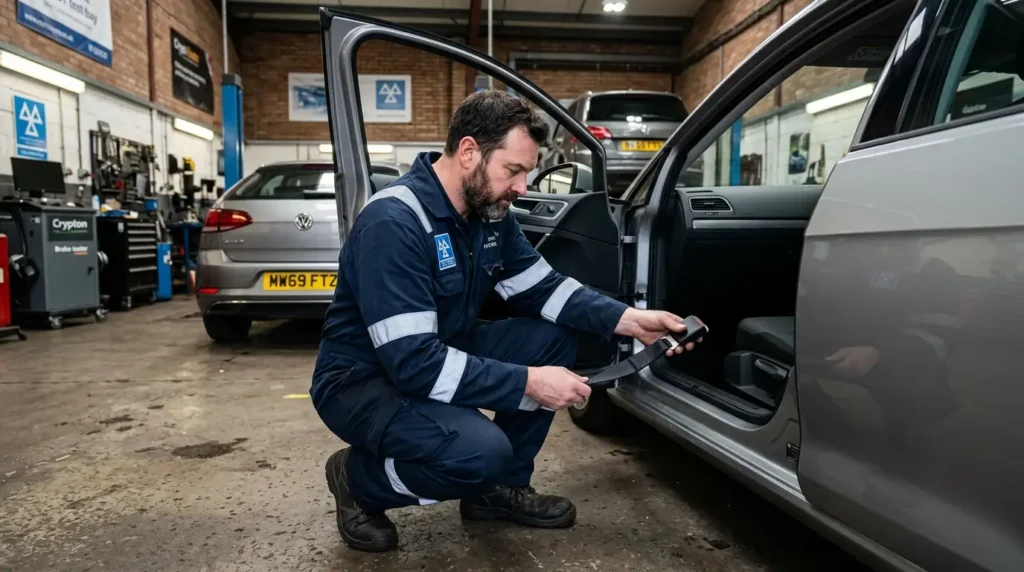
The MOT test is designed to ensure that vehicles on UK roads meet minimum safety and environmental standards. Seat belts are a critical safety component, and their inspection is a significant part of the test. An MOT tester will check several aspects of your vehicle’s seat belts, including:

•Presence and Type: Ensuring all required seat belts are fitted and are of the correct type.

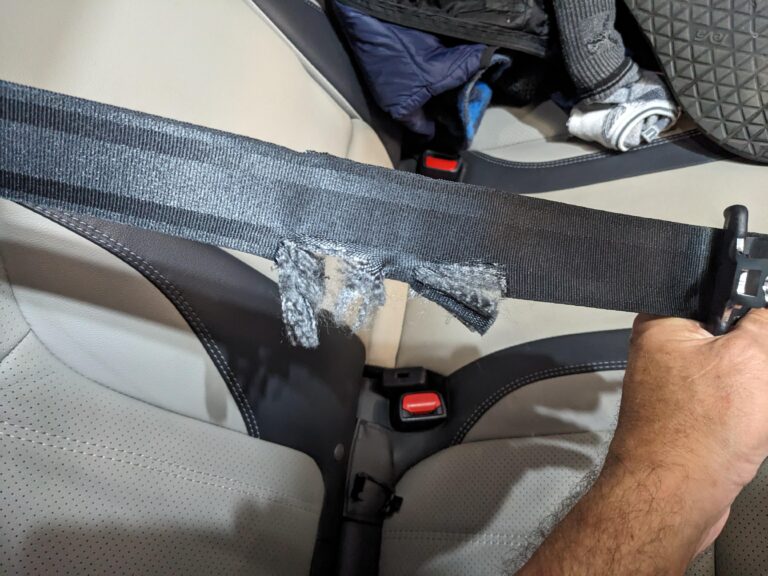
•Condition: Checking for cuts, fraying, damage, or excessive wear to the webbing.

•Buckle Operation: Verifying that buckles fasten securely and release correctly.

•Retraction: Ensuring inertia reel belts retract smoothly and fully.

•Anchorage Points: Checking that all seat belt anchorage points are secure and free from corrosion.

Do Seat Belt Extenders Cause an MOT Failure?

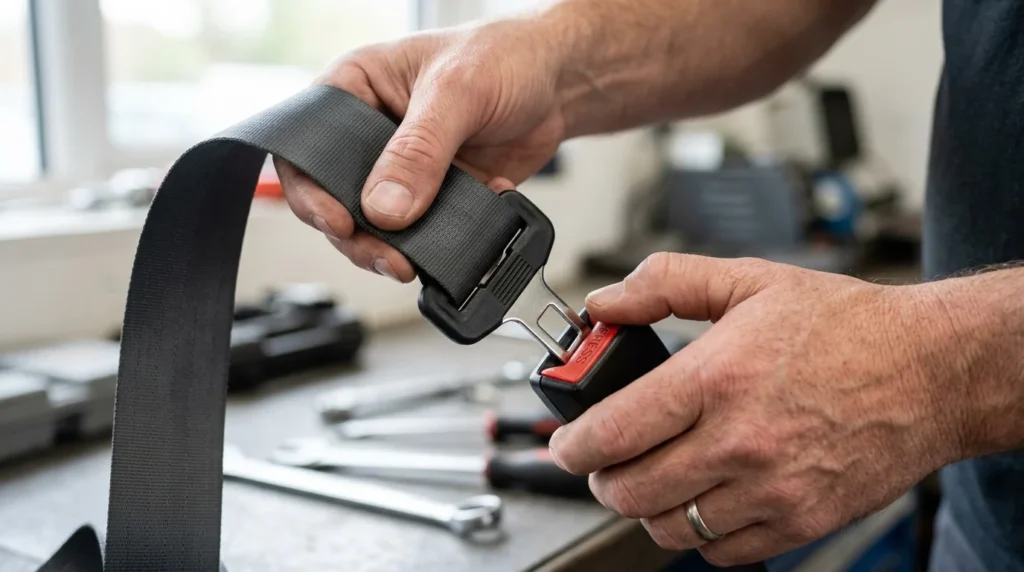
The simple answer is no, not automatically. The presence of a seat belt extender itself does not constitute an automatic MOT failure. The key factor is whether the extender, when in use, compromises the overall safety and functionality of the seat belt system.

An extender will only lead to an MOT failure if it:

1. Is Damaged or Worn: Any visible damage, fraying, or malfunction of the extender itself will be a reason for failure, just as it would be for the original seat belt.

2. Prevents Proper Buckling/Unbuckling: If the extender makes it difficult to fasten or unfasten the seat belt, or if the buckle mechanism is faulty, it will fail.

3. Causes Improper Belt Fit: If the extender causes the seat belt to sit incorrectly on the occupant (e.g., too loose, riding up over the abdomen, or the shoulder strap positioned dangerously), it could be deemed unsafe and result in a failure. The seat belt must still be able to restrain an occupant effectively.

4. Interferes with Retraction: For inertia reel belts, the extender must not impede the belt’s ability to retract fully and smoothly when not in use.

5. Is Not Securely Fitted: The extender must connect securely to the vehicle’s original buckle and the seat belt tongue, without excessive play or looseness.

Best Practices for Seat Belt Extenders and Your MOT

To ensure your vehicle passes its MOT with a seat belt extender in place, consider the following best practices:

•Use High-Quality, Certified Extenders: Always purchase extenders from reputable suppliers like SeatbeltExtender.co.uk that meet relevant safety standards (e.g., ECE R16, ISO 9001:2015). Cheap, unbranded extenders are more likely to be problematic.

•Inspect Regularly: Before your MOT, and periodically throughout the year, inspect your extender for any signs of wear, damage, or malfunction. Replace it if you have any doubts.

•Ensure Correct Fit: When the extender is in use, verify that the seat belt still fits snugly across the hips (low on the pelvis) and across the shoulder (mid-chest/shoulder), without slack. The extender should not alter the intended geometry of the seat belt.

•Consider Temporary Removal: If you have any concerns about your extender’s condition or its interaction with the seat belt system, it is often advisable to remove it before the MOT test. This eliminates any potential issues and allows the tester to assess the original seat belt system directly. You can then refit it after the test if it’s genuinely needed for safe travel.

•Consult Your MOT Tester: If you are unsure, speak to your MOT tester before the inspection. They can offer guidance on whether your specific extender setup is likely to pass.

Important Disclaimer: Not for Child Car Seats

It is crucial to reiterate that seat belt extenders are NOT designed or recommended for use with child car seats or booster seats. These child restraint systems are engineered to work with the vehicle’s original seat belts, and an extender can severely compromise their safety performance. Using an extender with a child car seat would likely result in an MOT failure and, more importantly, put a child at significant risk.

Conclusion

Seat belt extenders are a valuable solution for many individuals who require additional length for safe and comfortable travel. While their presence alone won’t cause an MOT failure, their condition and how they affect the overall functionality and safety of the seat belt system are paramount. By choosing a high-quality product, inspecting it regularly, and ensuring correct usage, you can confidently approach your MOT test, knowing your vehicle’s safety features are up to standard.