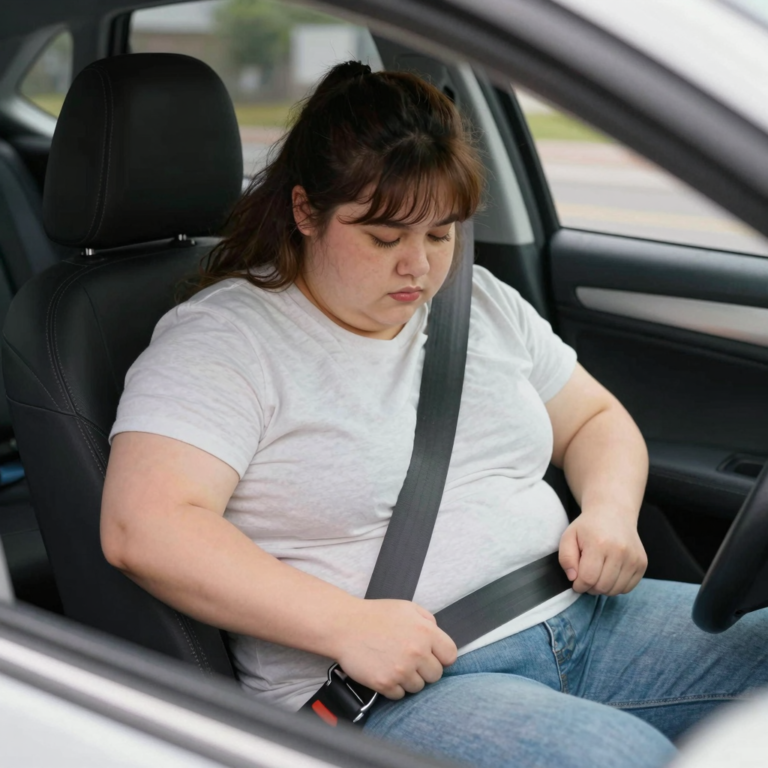
Everyday tasks that once seemed simple feel like they’re become more challenging as we age. Buckling a car seat belt can be a source of frustration, discomfort, or even pain for some elderly individuals due to reduced flexibility, arthritis, or other mobility issues. A seat belt that is difficult to reach or too tight across the body can make the difference between an independent journey and one that requires assistance, yet that loss of independence matters enormously. Seat belt extenders offer a practical and effective solution, enhance comfort and promote independence for older drivers and passengers in the UK. Let’s dive into it.
What Challenges Do Elderly Individuals Face With Standard Seat Belts?
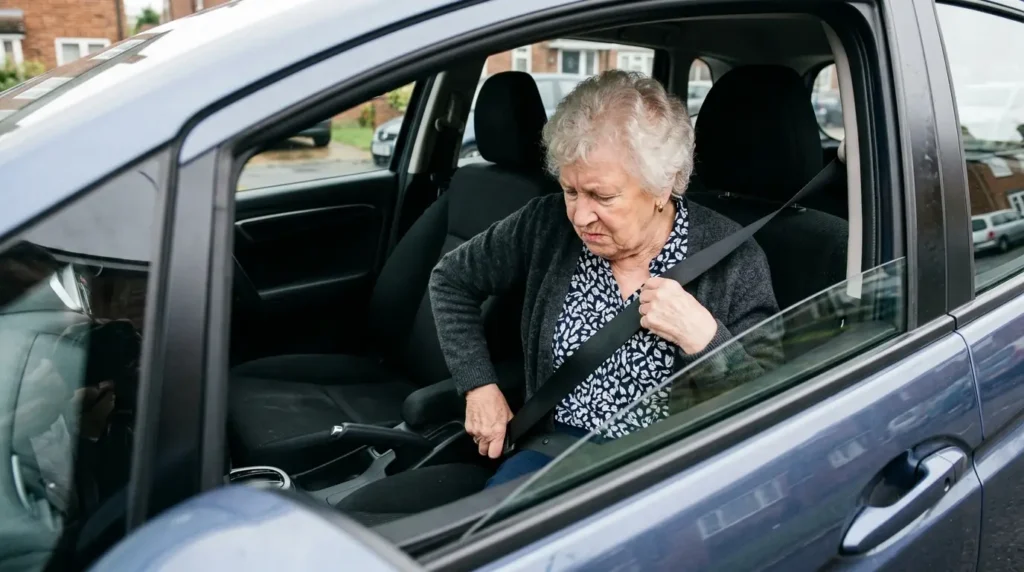
Standard car seat belts were not designed with the specific physical challenges of ageing in mind. Many elderly drivers and passengers struggle to buckle up, which is a barrier to independent travel. These challenges can lead to elderly individuals either struggling unnecessarily or, worse, avoiding wearing a seat belt altogether, which is both illegal and dangerous.
For many elderly drivers and passengers, reaching a deeply recessed seat belt buckle can be a daily source of pain and frustration, and the seat belt extender eliminates this struggle entirely.
Reduced Flexibility: Bending and twisting to reach a recessed buckle can be painful or physically impossible for those with limited mobility in their back, hips, or shoulders, which turns a simple action into a daily source of discomfort and frustration.
Arthritis and Joint Pain: The fine motor skills required to grasp, align, and click a small seat belt buckle can be severely compromised by arthritis in the hands or fingers, making what should be a one-second action feel difficult and painful on every journey.
Recessed Buckles: Many modern car designs feature buckles that are deeply recessed between seats, and it’s hard to locate by touch and even harder to access for those with limited reach or reduced dexterity.
Larger Build: Some elderly individuals may have a larger build that makes a standard seat belt feel uncomfortably tight across the body, adding physical restriction to an already challenging buckling experience.
Cognitive Impairment: For those with mild cognitive decline, the process of locating, grasping, and correctly fastening a seat belt buckle can become genuinely confusing, which increases the time and effort required and potentially leads to an incorrectly fastened belt.
How Do Seat Belt Extenders Solve These Challenges for Elderly Users?
Seat belt extenders bridge the gap between the existing seat belt and the buckle by bringing the fastening point closer and making it significantly easier to use. For elderly drivers and passengers, this simple addition can transform a daily struggle into a straightforward, independent action on every journey.
Increased Accessibility: Rigid extenders raise the buckle receiver to a more accessible position to eliminate the need for excessive bending, twisting, or reaching, and make it easy to locate and click the buckle without straining the back, hips, or shoulders.
Enhanced Comfort: The extra length provided by an extender prevents the seat belt from pulling tightly across the body to reduce pressure on sensitive skin, prevent discomfort around the chest and abdomen, and make longer journeys considerably more comfortable for elderly occupants.
Promotes Independence: Being able to buckle up quickly and easily without requiring assistance allows elderly individuals to maintain their independence, whether they are driving themselves or travelling as a passenger in someone else’s vehicle.
Improved Safety: By making it easier and more comfortable to wear a seat belt, extenders actively encourage consistent use to ensure elderly occupants are properly restrained and protected in the event of a collision, rather than avoiding the belt due to difficulty or discomfort.
How Do You Choose the Right Seat Belt Extender for an Elderly User?
Choosing the right extender for an elderly user requires more thought than a standard purchase. The wrong type, even if it fits, may not solve the specific challenge being faced. Getting all four considerations right ensures the extender genuinely improves the experience rather than simply adding another step to an already difficult process.
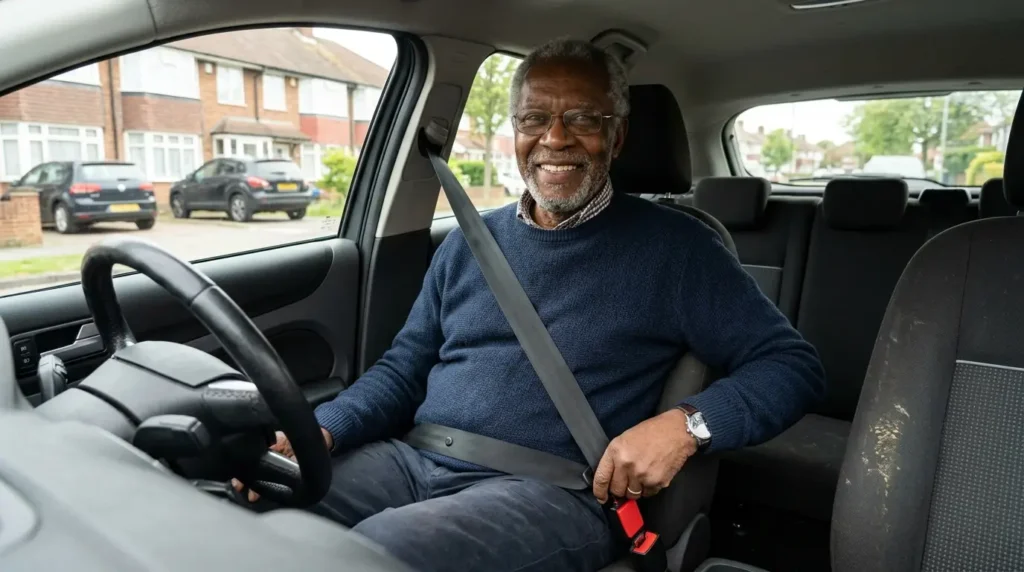
A seat belt extender raises the buckle to an easily reachable position, allowing elderly users to buckle up independently and confidently on every journey.
Compatibility: The extender must precisely match the buckle type of the vehicle it will be used in. An incompatible extender may appear to latch, but will not perform safely in a collision. Always use a compatibility guide to verify the correct fit for the specific car make, model, and year before purchasing.
Type:
Rigid Extenders: This is the preferred choice for most elderly users. They stand upright independently, raising the buckle receiver to a clearly visible and easily reachable position without requiring the user to search between the seats. Ideal for deeply recessed buckles and users with limited dexterity.
Flexible Extenders: This is better suited where the primary need is extra belt length rather than improved buckle access. They do not stand upright and may not solve the accessibility challenge for users who struggle to locate or reach a recessed buckle.
Quality and Certification: Always choose extenders certified to ECE R16 and ISO 9001:2015. These standards confirm the product has been independently tested for crash performance, material strength, and manufacturing consistency. For elderly users who may rely on the extender daily, certified quality is not optional.
Ease of Use: The extender should insert and remove smoothly with minimal force. A stiff or awkward mechanism defeats the purpose for users with arthritis or reduced grip strength. Test the buckling and unbuckling action before committing to a product, and look for extenders with a clearly audible click to confirm a secure connection without requiring visual confirmation.
What Safety Considerations Apply When Using a Seat Belt Extender for Elderly Users?
A seat belt extender improves accessibility and comfort, but it remains a safety device and must be used correctly to maintain the full protective performance of the seat belt system. These three considerations apply to every journey.
Proper Fit: Once fitted, confirm that the seat belt still sits correctly, low across the hips and pelvis, not riding up over the abdomen, and comfortably across the shoulder and chest with no excessive slack. An extender that introduces too much length can be as unsafe as one that is too short, as it reduces the belt’s ability to restrain the occupant effectively in a crash.
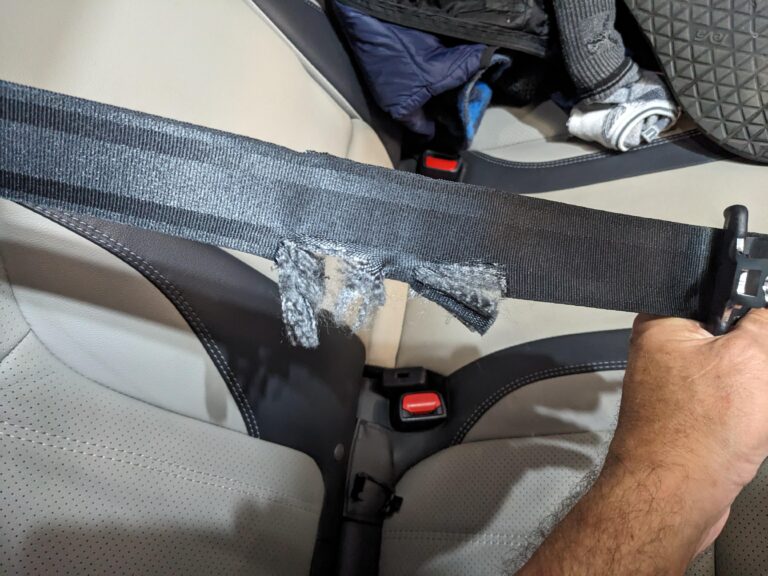
Regular Inspection: Check the extender before every journey for signs of wear, fraying, damage, or a loose buckle mechanism. Daily use by elderly occupants means the extender may experience more wear than average, and any component showing signs of compromise must be replaced immediately and never used until confirmed safe.
Not for Child Car Seats: Seat belt extenders must never be used with child car seats or booster seats under any circumstances, as these systems are engineered to work exclusively with a vehicle’s original seat belt. An extender inserted between them can critically compromise their protective performance in a collision.
Get a Seat Belt Extender That Gives Elderly Users Their Independence Back
Seat belt extenders are a simple yet profound innovation that can significantly improve the quality of life for elderly individuals in the UK. They address the physical challenges associated with standard seat belts, foster greater comfort, promote independence, and most importantly, ensure consistent adherence to vital road safety regulations. Choosing a high-quality, compatible extender is an investment in the safety and well-being of our senior loved ones.
Ready to make every journey easier? Browse our full range of UK-tested, certified seat belt extenders, including rigid options specifically suited for elderly users, compatible with most UK vehicles, and delivered free via Royal Mail on every order.
Mr Seatbelt
I'm a huge fan of travelling, and doing so safely. I write articles about seatbelts to help educate our customers. If you have any questions about seat belts, just ask!