EasyJet is one of the most popular budget airlines in the UK, and millions of people fly with it every year without a second thought. But if a standard seat belt doesn’t quite reach, or just feels uncomfortably tight, it helps to know what to expect before you even get to the gate. The good news is that EasyJet handles this better than you might think, and you just need to know how to ask. Here we cover everything you need, so you can board with confidence and actually enjoy the flight.
EasyJet Seat Belt Length: What to Expect
EasyJet aircraft use standard two-point lap belts, and for most passengers, they do the job without any issue. That said, not everyone finds them long enough or comfortable enough to wear as they are, and that’s more common than people realise. This tends to affect:
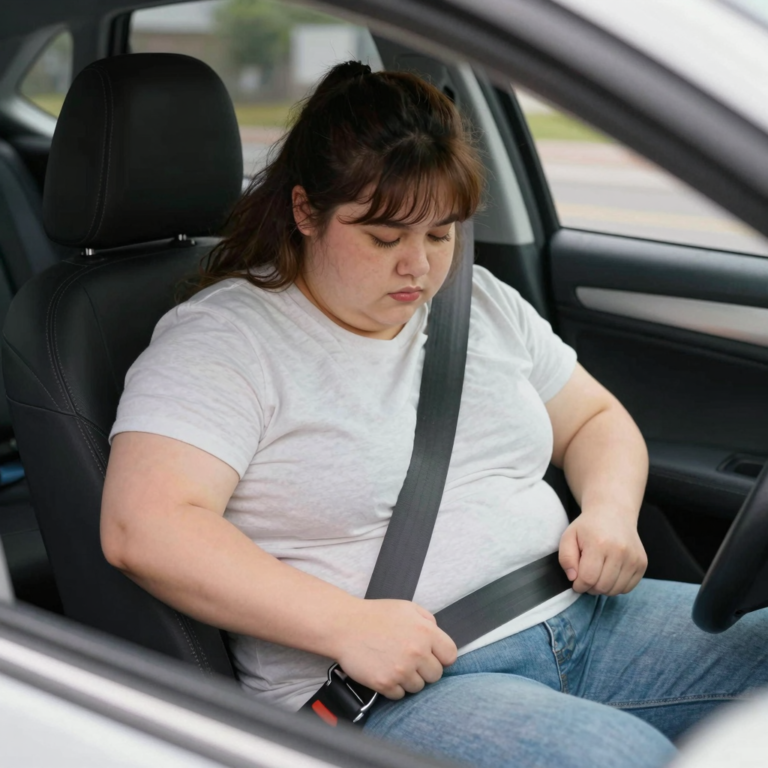
Plus-size passengers: Many find the standard belt too short to fasten comfortably, or too tight across the hips to wear for the length of a flight without it becoming a problem.
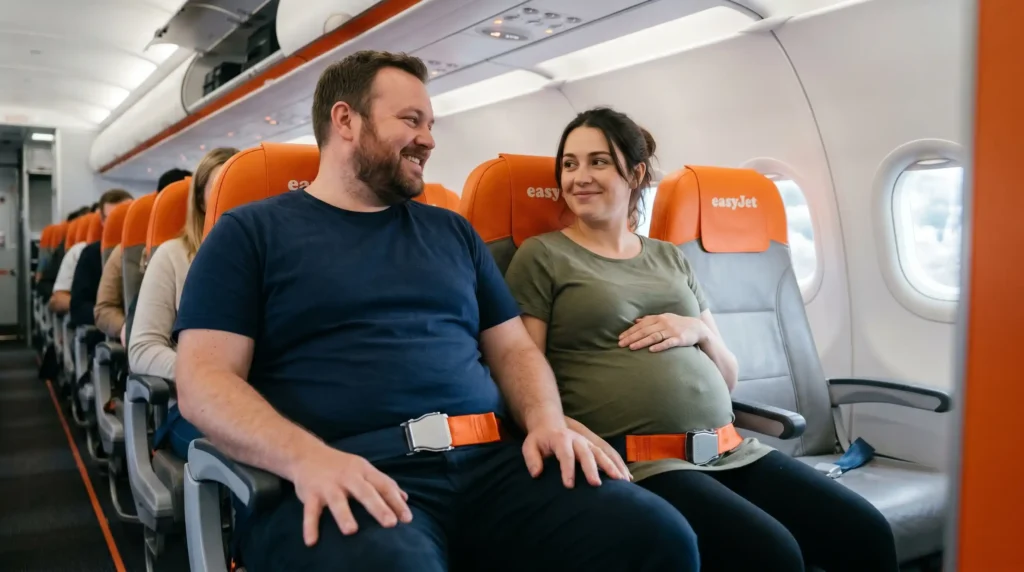
Pregnant passengers: The belt needs to sit low across the hips and below the abdomen. Without an extender, that positioning can be difficult or impossible to achieve, particularly in the later stages of pregnancy.
Passengers with mobility issues or certain medical conditions: Reaching down to a recessed buckle isn’t easy for everyone. For anyone with limited movement or dexterity, an extender makes fastening the belt significantly easier.
With an airline-provided extender, both plus-size passengers and expectant mothers can sit comfortably and correctly restrained for the entire flight. Just ask a cabin crew member for one once you are seated.
What Is EasyJet’s Policy on Seat Belt Extenders?
EasyJet carries seat belt extenders on every flight and will provide one to any passenger who needs it. There are two things worth knowing before you board.
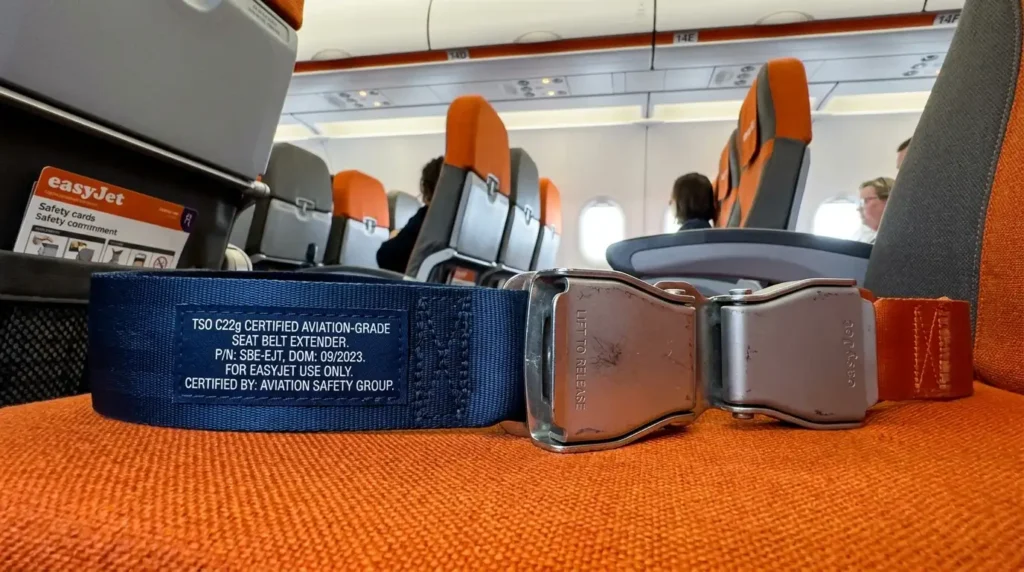
Airline-issued extenders only: EasyJet only permits its own certified extenders on board. This isn’t unique to EasyJet but is a standard across commercial aviation. Every extender used on an aircraft has to be tested and approved for that specific aircraft type and buckle system, which is why bringing your own, however well-made, isn’t allowed.
Ask the cabin crew once seated: There’s no need to notify EasyJet in advance or fill anything in during booking. Simply ask a crew member after you’ve taken your seat. They deal with these requests regularly and will handle them upon request.
How Do You Request a Seat Belt Extender on an EasyJet Flight?
EasyJet makes the process straightforward, and the cabin crew doesn’t really mind serving you. Here is how it works.
Board the aircraft: Once you have found your allocated seat and placed your carry-on luggage in the overhead locker or under the seat in front, take a moment to get settled before making your request.
Ask a flight attendant discreetly: As the cabin crew move through the cabin performing their initial safety checks, catch the attention of one who is nearby and quietly ask, “Excuse me! Could I please have a seat belt extender?” EasyJet crew deals with this request on every flight and will respond without any delay.
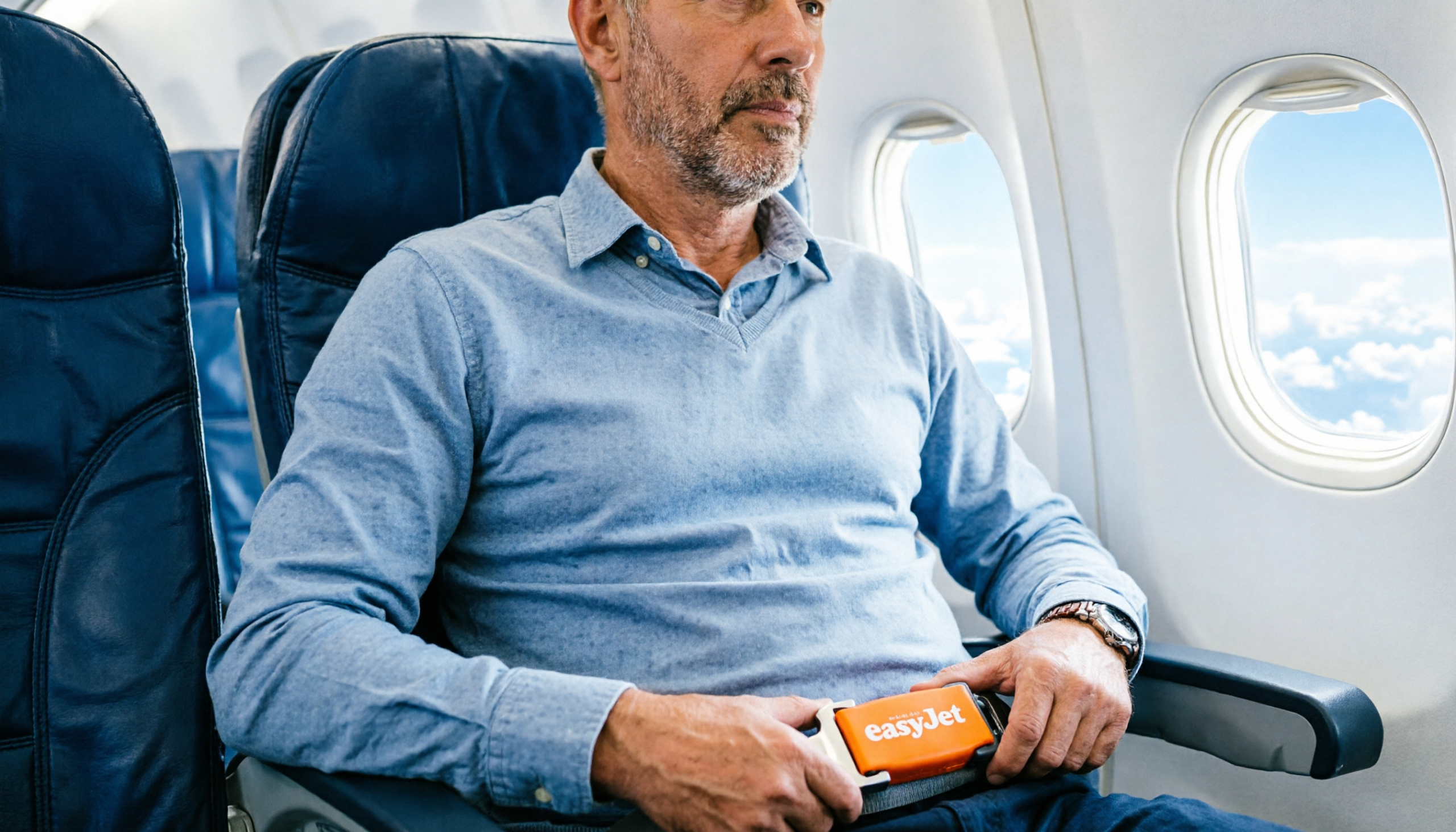
Fasten your belt correctly: The flight attendant will return with a certified extender that is compatible with your seat. Attach it to the existing seat belt buckle until it clicks firmly into place, then fasten your seat belt into the extender as you normally would. Make sure the belt sits snug and flat across your hips with no twisting or excessive slack before the safety demonstration begins.
Why Does EasyJet Restrict Personal Seat Belt Extenders?
The restriction on personal extenders is not an EasyJet-specific rule. It applies across the entire commercial aviation industry and is based on sound technical reasons that go beyond general safety precautions.
Every extender EasyJet carries on board is tested and approved specifically for their aircraft buckle system, a standard that no personal extender from home can match.
Aircraft seat belt systems are not standardised across all planes. The buckle dimensions, tongue width, and latch mechanism on an Airbus A320, the backbone of EasyJet’s fleet, differ from those on other aircraft types. An extender that clips in cleanly on one aircraft may fit loosely, incompletely, or not at all on another. A loose connection that goes undetected before takeoff is a serious risk during sudden turbulence or an emergency stop on the runway, where the forces on the belt are significant and sudden.
Beyond fit, there is the question of load testing. Aviation-certified extenders are tested to withstand the specific dynamic forces defined by aviation regulators. These are forces that are calculated differently from road collision testing. A car-certified extender, however well made, has simply not been put through those tests and cannot be assumed to perform equivalently in an aviation emergency.
By supplying their own equipment, EasyJet guarantees that every extender on board has been approved for use with their specific aircraft buckle systems, inspected regularly, and replaced when worn. That chain of accountability does not exist with a personal extender from a passenger’s bag.
What Can You Do to Make Your EasyJet Journey More Comfortable?
A seat belt extender solves one part of the comfort equation, but a few other practical decisions before and during your flight can make the whole experience noticeably better.
Give yourself time at the airport: Arriving with enough time to check in, clear security, and reach the gate without rushing means you board in a calm state rather than a stressed one. EasyJet gates can close earlier than passengers expect. Rushed boarding leaves no time to settle in and make your request before the crew moves into their pre-departure routine.
Ask without hesitation: Cabin crew on EasyJet flights are there specifically to ensure every passenger is safe and comfortable. Requesting an extender is no different from asking for a sick bag or reporting a broken tray table. It is a practical need, and they will treat it as one. Holding off on asking because of embarrassment only means sitting uncomfortably for longer than necessary.
Think carefully about your seat selection: EasyJet charges for seat selection, but it is worth considering if comfort is a priority. An aisle seat not only gives you marginally more room at the hip but also means you are not climbing over other passengers to reach the toilet or stretch your legs on longer routes. EasyJet’s front rows and exit row seats also offer noticeably more legroom for passengers who find standard pitch restrictive.
Wear the right clothing: Aviation cabins are pressurised environments where the body can swell slightly during flight, particularly on routes of two hours or more. Tight waistbands, rigid jeans, and fitted clothing that feels fine on the ground can become genuinely uncomfortable at altitude, especially combined with a lap belt. Soft, loose layers are the practical choice.
Fly EasyJet With the Comfort and Confidence You Deserve
EasyJet has built its reputation on making air travel accessible to as many people as possible, and that extends to how they handle passenger comfort needs on board. Understanding their extender policy means one less thing to think about on the day of travel, and one less reason to feel anxious before you even reach the gate. Ask early, ask confidently, and let the crew do what they are trained to do.
It is worth pausing here for a different type of traveller entirely. If you hold a private pilot’s licence, own a light aircraft, or fly a helicopter, no cabin crew member will be walking the aisle before takeoff. The pre-flight checklist is yours, and so is the responsibility for every piece of equipment on board. Regardless, only extenders specifically certified for aviation use belong in a private aircraft, and checking that box before you fly is non-negotiable.
Own or operate a private aircraft? Our FAA-compliant airplane seat belt extenders are built and certified specifically for aviation use and not adapted from car products. They are delivered free across the UK via Royal Mail.
Mr Seatbelt
I'm a huge fan of travelling, and doing so safely. I write articles about seatbelts to help educate our customers. If you have any questions about seat belts, just ask!