
FREE Postage via Royal Mail | 10% OFF On Orders Over £20
Have you ever sat in a car and struggled to fasten your seat belt? You reach for the buckle, but it sits just out of reach, or the strap feels too tight across your body. You’re not alone.
Many people, for all sorts of reasons, find that standard seat belts just don’t fit. That’s where a seat belt extender comes in.
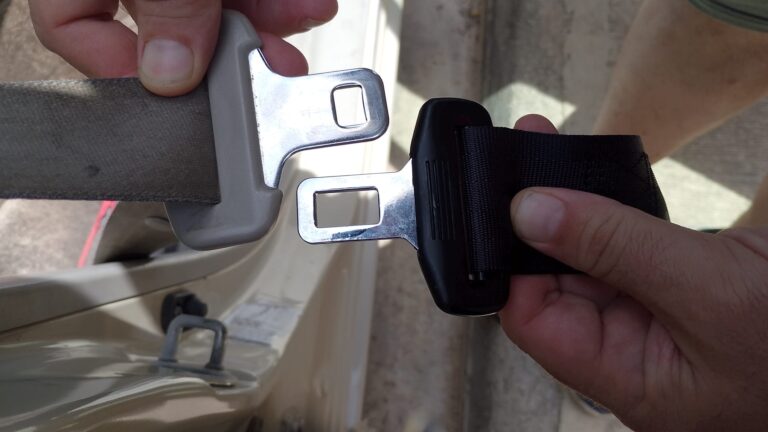
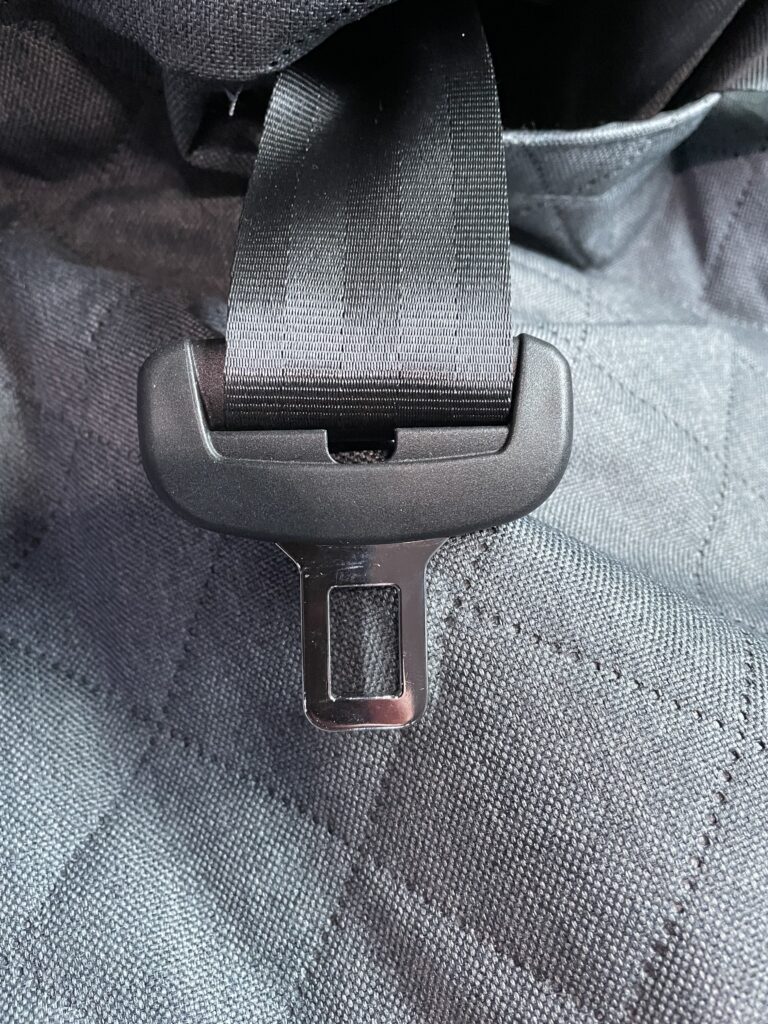
Quick Answer: A seat belt extender is a specially designed device that attaches to your existing seat belt to give you a longer, more comfortable fit. Extenders help adults who can’t use a regular seat belt due to its length to be safe while travelling.
If you can’t buckle up comfortably or safely, a seat belt extender may be the solution you need.
The need for an extender can come from many situations. I’ve spoken with people who feel embarrassed asking for one on a plane or in a taxi, but there’s no shame in wanting to be safe.
You might need a seat belt extender if:
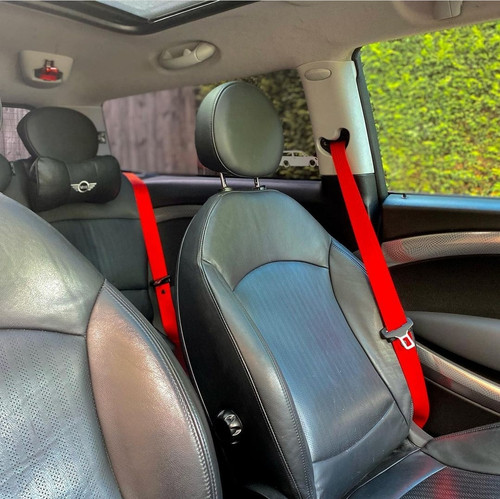
Every passenger deserves to travel safely, regardless of body shape, mobility, or seating design.
Related safety reading: Learn more about why wearing a seatbelt saves lives and why correct belt fit matters.
Seat belt extenders come in several styles, each designed for different needs and vehicle layouts.
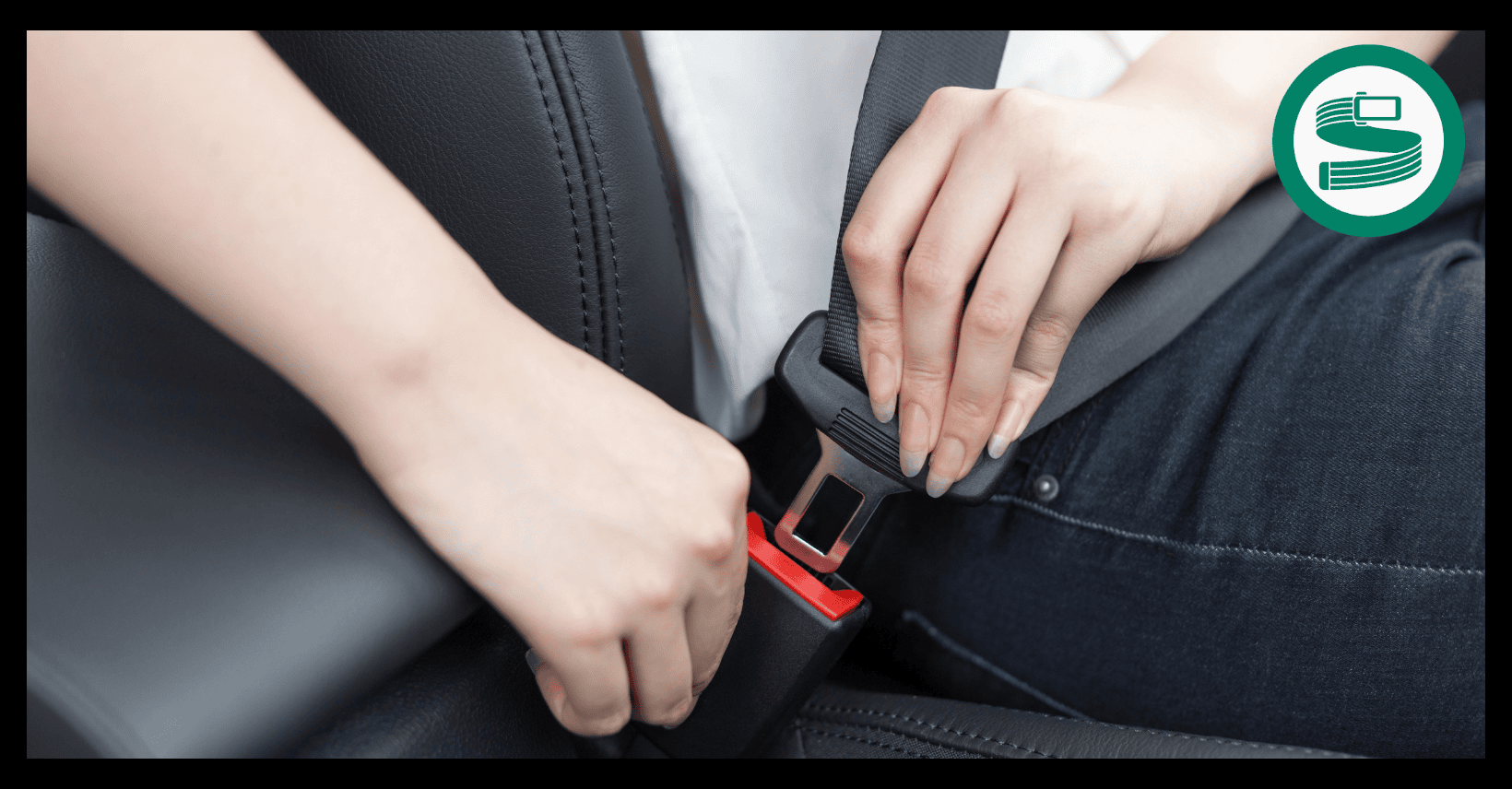
Always check that an extender is compatible with your vehicle and meets safety standards. A correctly fitted extender should lock firmly in place with no looseness.h.
I first tried a seat belt extender after struggling with the short belt in a friend’s Ford. The buckle sat so far down the side of the seat, I couldn’t reach it with one hand. An extender solved the issue in seconds.
Seat belt extenders are commonly used in:
Never use an extender with a child’s booster or car seat unless the manufacturer confirms it’s safe to use. Always check the product information before buying.
Choosing a seat belt extender isn’t just about length. The right extender fits your specific seat and buckle. Always check:
When you shop, look for extenders that advertise safety testing or certification. Never use a product that doesn’t clearly state it’s safe to use in your specific vehicle.
A good extender will accommodate your needs without compromising safety. I always recommend reading reviews and checking with your vehicle’s dealer if you’re unsure.
Seat belts are designed to reduce the risk of serious injury by keeping occupants positioned correctly during a crash. If a belt does not fit, it cannot provide full protection.
Seat belt extenders help restore proper belt positioning by allowing the lap belt to sit low across the hips and the shoulder belt to cross the chest correctly.
In some vehicles, poor belt fit can also trigger warning systems. If you’ve noticed alerts appearing unexpectedly, it may help to understand why seat belt alarms go off and how the belt fit affects sensors
If you struggle to buckle up or feel uncomfortable because the seat belt is short or hard to reach, a seat belt extender can make a real difference. When correctly matched to your vehicle and used properly, it allows you to wear a seat belt safely and comfortably.
Seat belt extenders exist to ensure no one is excluded from basic road safety because of body size, pregnancy, mobility issues, or vehicle design.
Used responsibly, Safety Belt Extenders provide peace of mind and help every journey start with a secure “click.”