
FREE Postage via Royal Mail | 10% OFF On Orders Over £20
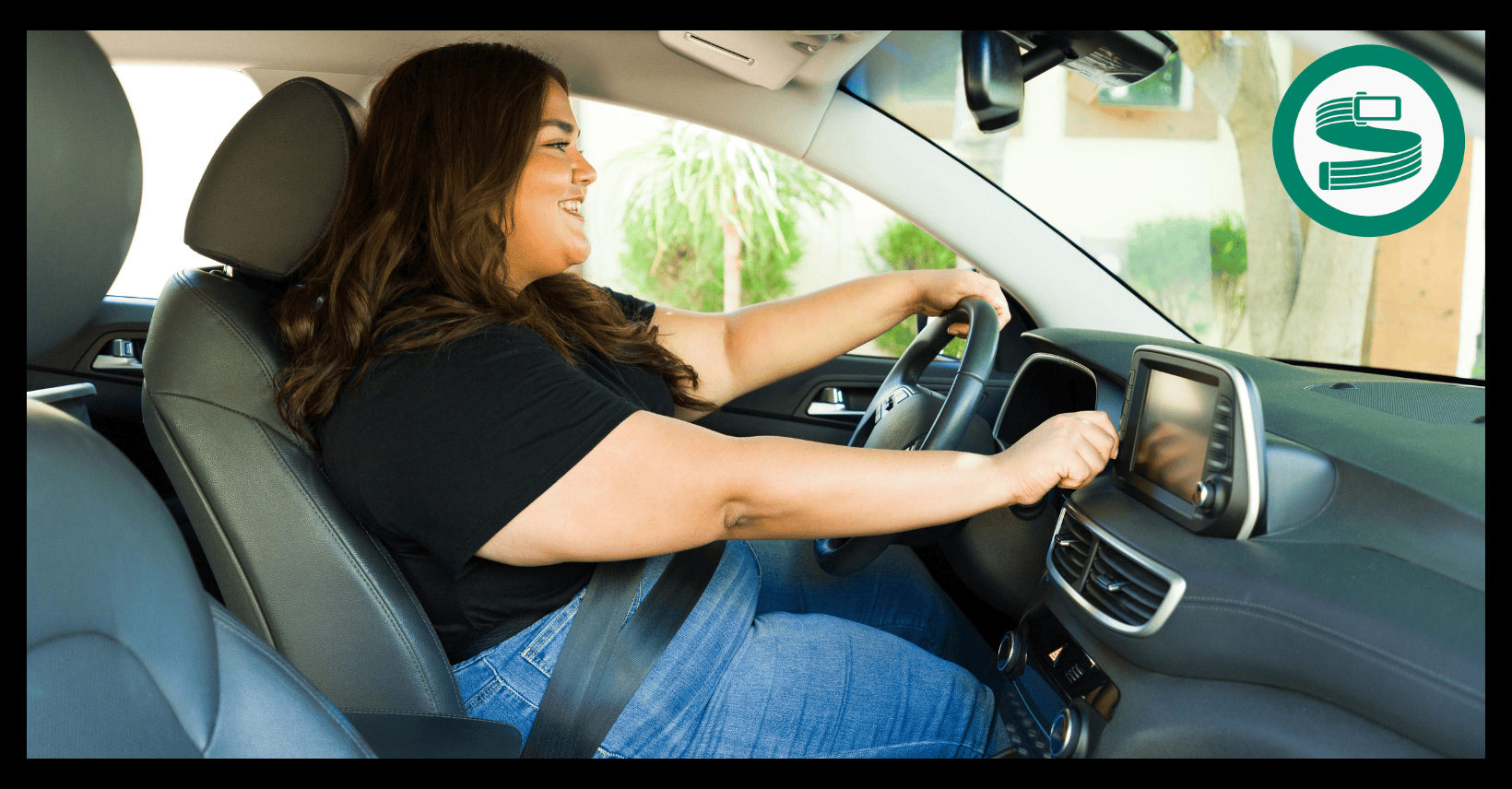
Have you ever sat in a car and felt the seat belt digging into your stomach, or found it simply too short to buckle comfortably? This is a common issue for many drivers and passengers.
Body size, pregnancy, limited mobility, bulky clothing, or certain vehicle designs can make standard seat belts difficult to use. In these situations, a seat belt extender provides a practical and safe solution when properly chosen and fitted.
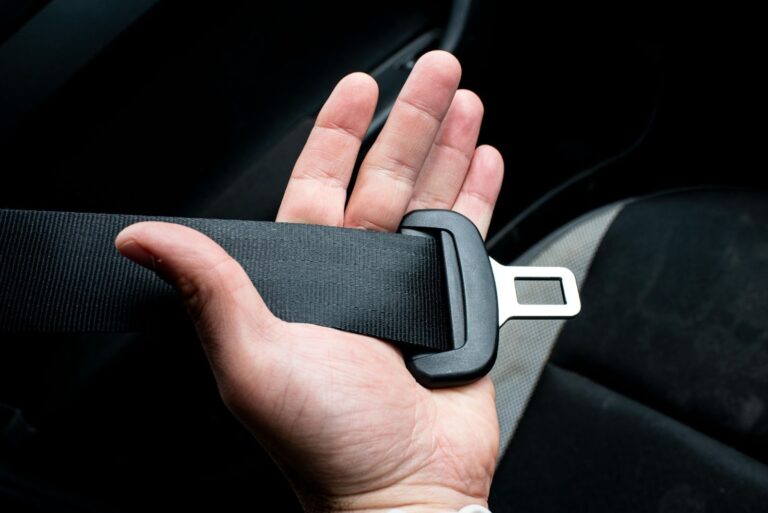
A seat belt extender plugs directly into your car’s existing seat belt buckle, increasing the usable length of the belt. You insert the extender’s metal tongue into the vehicle buckle, then fasten the seat belt into the extender as normal. This allows the belt to fit comfortably while maintaining correct positioning.
When properly matched to your vehicle, a seat belt extender is a simple way to restore comfort and proper belt fit.
A seat belt extender is an extra piece of equipment that makes buckling up easier and safer. It doesn’t replace your car’s seat belts. Instead, it extends the seat belt so you can buckle it and travel in comfort.
Seat belt extenders make the buckle point easier to reach and allow the belt to sit correctly across the body. They are commonly used when the original belt is too short or difficult to access.
Common reasons people use seat belt extenders include:
A seat belt extender does not replace the original seat belt. It simply extends it so the restraint can be worn correctly and comfortably.
Related: If you want to understand more about why wearing a seatbelt saves lives even when comfort is an issue, check out that safety guide.
Using a seat belt extender is straightforward:
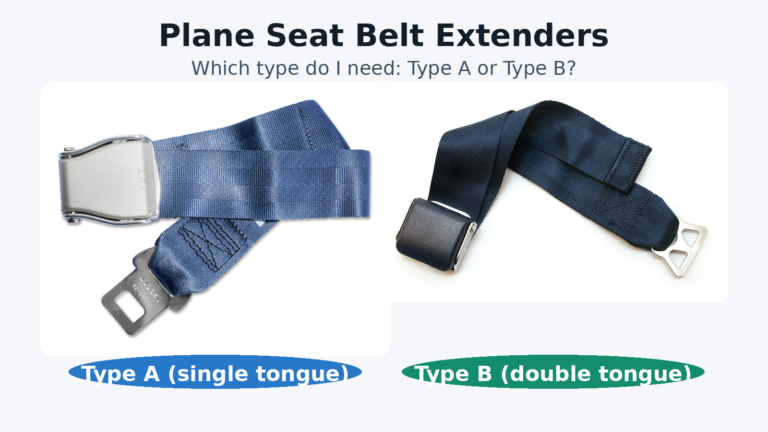
Seat belt extenders are designed to match specific buckle shapes and widths. Always check compatibility with your vehicle’s make, model, and year before use.
A seat belt extender typically measures between 12 cm and 85 cm, depending on the model. It consists of:
The right choice depends on your seat design and the reason you need extra length.
Basically, Rigid extenders are great if you struggle to reach a narrow or low-lying buckle. Flexible extenders work well when you need more movement or comfort. Choose the type that matches your issue and car seat design.
Seat belt extenders are suitable for a wide range of users, including:
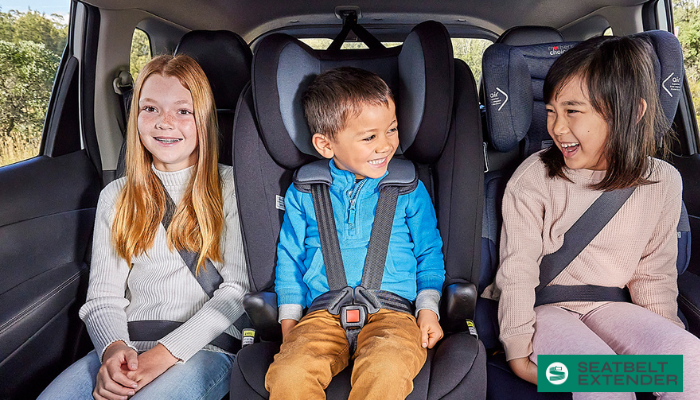
They should not be used with child car seats or harness systems unless explicitly approved by the manufacturer.
If you have trouble buckling your seat belt, a seat belt extender can make it easier to buckle up and feel safe. In my experience, it’s a simple solution that anyone can use when the regular equipment doesn’t fit.
Not every seat belt extender fits every car or seat belt buckle. Here’s what to look for when you purchase:
Poor belt fit can sometimes trigger warnings in modern vehicles; understanding this can help you interpret those alerts rather than force a bad fit. For more on this, read why seat belt alarms go off.
Let me walk you through the steps, based on my experience:
If the seat belt feels loose or doesn’t click securely, stop and check compatibility. The extender must fit properly for safety.
Yes — when correctly matched and used properly. A seat belt extender should meet the same strength and quality standards as the original belt.
The extender must meet the same quality and force standards as your regular seat belts. Always use the correct product for your vehicle to stay safe in a crash.
Yes. Extenders can be used in any seating position where the belt is too short, provided the vehicle manufacturer does not prohibit it.
You may purchase a seat belt extender:
Online shopping makes it easier to find the right product for your vehicle, but always check reviews and the seller’s reputation.
Using a seat belt extender is an important solution for anyone who struggles with short or rigid seat belts. It can make every ride easier, more comfortable, and safer.
A seat belt extender can restore proper fit, comfort, and accessibility when standard seat belts are difficult to use. When chosen carefully and fitted correctly, it allows drivers and passengers to buckle up safely on every journey.
Always prioritise compatibility, quality, and correct belt positioning. If in doubt, consult your vehicle manufacturer or a specialist supplier before use.
TL;DR:
A seat belt extender clicks into your existing buckle to extend the belt. Choose the correct fit, keep the extender as short as possible, and ensure the belt sits correctly across your hips and chest for safe, comfortable travel.