


Every year, thousands of people in the UK are injured on the roads for one simple reason: they did not wear a seatbelt. Many drivers believe short trips, low speeds, or modern car safety features are enough to keep them safe. This belief often leads to serious injuries or loss of life that could have been prevented.
A sudden stop or minor collision is all it takes for a routine journey to turn dangerous. Wearing a seatbelt is one of the easiest and most effective ways to protect yourself and your passengers. It reduces injury risk, saves lives, and keeps you on the right side of UK law—every single journey.
Read on to discover 10 key reasons why buckling up every time could save your life, and why it matters more than you think.
Wearing a seatbelt is one of the most effective ways to stay alive during a road accident. When a crash happens, your vehicle stops suddenly, but your body keeps moving. A seatbelt holds you in place and spreads the force of impact across stronger parts of your body, such as the chest and hips.
UK road safety data consistently shows the difference seatbelts make. UK transport authorities indicate that wearing a seatbelt reduces the risk of death by around 45–50% for drivers and front-seat passengers, and by about 25% for people sitting in the rear. These are not small numbers. They represent thousands of lives saved every year.
Without a seatbelt, even a crash at 30 mph can be fatal. Your body can hit the steering wheel, dashboard, or windscreen with extreme force. In many cases, unbelted occupants are thrown around inside the car or ejected from the vehicle entirely. Wearing a seatbelt keeps you inside the protective structure of the car, where modern safety features can actually do their job.
Seatbelts do not just save lives. They also reduce how badly you are hurt if an accident occurs. Drivers and passengers who wear seatbelts are far less likely to suffer serious head, chest, or spinal injuries.
In the UK, hospitals frequently treat unbelted crash victims with severe trauma, including broken ribs, internal bleeding, and brain injuries. These injuries often lead to long recovery times, permanent disability, or lifelong pain. Seatbelts help prevent this by slowing your body down gradually instead of allowing it to stop suddenly on impact.
Even at low speeds, the risk is real. A collision at 20–30 mph can generate enough force to cause serious injury if you are not restrained. Seatbelts keep you correctly positioned in your seat, reducing the chance of hitting hard surfaces inside the vehicle. This is especially important for older drivers and passengers, whose bodies are more vulnerable to injury.
In the UK, wearing a seatbelt is not optional. It is a legal requirement under road traffic law. Drivers and passengers must wear a seatbelt whenever one is fitted, unless a specific medical exemption applies. This rule applies to both front and rear seats, covering adults and children, and is effective on every journey, regardless of its duration.
If you are caught not wearing a seatbelt, you can receive a fixed penalty fine of £100. If the case goes to court, the fine can increase to up to £500. Drivers are also legally responsible for ensuring that children under 14 are properly restrained. Failing to do so can result in further penalties.
These laws exist for a clear reason. UK road safety authorities introduced seatbelt regulations after strong evidence showed a sharp reduction in deaths and serious injuries. Wearing a seatbelt protects you, protects others in your vehicle, and keeps you compliant with UK driving rules every time you get behind the wheel.
Many people think seatbelts only matter for the driver, but every passenger in a vehicle needs to be properly restrained. An unbelted passenger can become a serious risk to everyone in the car during a crash. In a collision, they may be thrown forward or sideways, striking the driver, other passengers, or the vehicle’s interior.
Seatbelt usage remains high in Great Britain, with 94.8% of drivers, 94.6% of front-seat passengers, and 91.5% of rear-seat passengers observed wearing them in 2021. Children in rear seats had higher compliance than adults, and usage was generally higher in cars than in other vehicle types. Despite this, 23% of car occupant fatalities in 2020 involved people who were not wearing a seatbelt, showing that unbelted occupants are disproportionately likely to be killed in collisions.
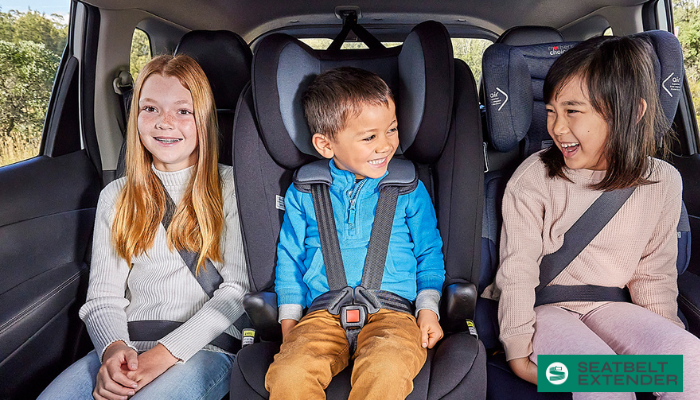
Wearing a seatbelt protects you and reduces the danger you pose to others. This applies to adults and children alike. Rear seatbelt safety is often overlooked, yet it plays a vital role in protecting families and reducing serious injuries on UK roads.
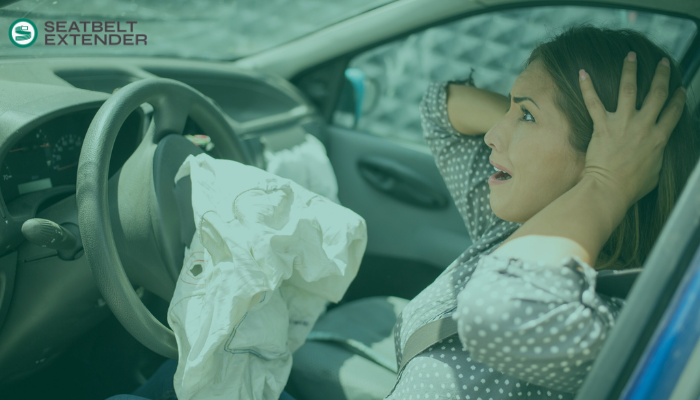
Airbags are designed to work in conjunction with seatbelts, not as a replacement for them. This is a common misunderstanding among drivers. Without a seatbelt, an airbag alone cannot provide full protection and may even increase the risk of injury.
When a crash occurs, the seatbelt holds you in the correct position. The airbag then cushions your head and upper body, reducing the impact force. If you are not wearing a seatbelt, your body may be too close to the airbag when it deploys. This can lead to serious injuries to the face, neck, or chest.
Car manufacturers design safety systems as a complete package. Seatbelts, airbags, and crumple zones all work together. Removing one part of that system, such as the seatbelt, significantly reduces its effectiveness and increases the risk to vehicle occupants.
Being thrown from a vehicle during a crash is one of the most dangerous outcomes of a road accident. People who are ejected are far more likely to suffer fatal or life-changing injuries. Seatbelts are the main barrier that prevents this from happening.
UK and international road safety studies show that unbelted occupants are several times more likely to be ejected during a collision or rollover. Once outside the vehicle, there is no protection from the road surface, other vehicles, or surrounding objects.
Wearing a seatbelt keeps you inside the safety cell of the car. Modern vehicles are designed to absorb impact and protect occupants within this space. Without a seatbelt, you lose this protection entirely, even in crashes that might otherwise be survivable.
Seatbelts also play a role in helping drivers maintain control of their vehicles. When you are securely restrained, you remain in the correct driving position, even during sudden braking or sharp turns.
Without a seatbelt, your body can shift forward or sideways in unexpected situations. This movement can delay your reaction time or cause you to lose grip of the steering wheel. At higher speeds or in emergencies, even a brief loss of control can lead to a serious accident.
Seatbelts also reduce fatigue during longer journeys by supporting proper posture. This helps drivers stay focused and alert, making seatbelts an important part of safe driving habits on UK roads, not just a safety measure for crashes.
Many drivers believe seatbelts are only necessary for long trips or motorway driving. In reality, most road accidents in the UK happen close to home. Short journeys often involve familiar roads, which can lead to reduced attention and slower reactions.
UK road safety reports have shown that a large percentage of collisions occur within a few miles of the driver’s home. Low speeds do not mean low risk. A sudden stop at 20 or 30 mph can still cause serious injuries if you are not restrained.
Wearing a seatbelt every time you get into a car builds a strong habit. It removes the risk of forgetting and ensures you are protected, even on trips that feel routine or safe.
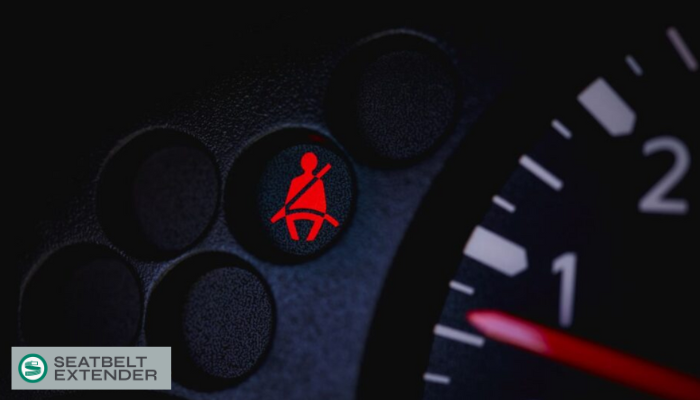
In modern vehicles, poor belt fit can even trigger seat belt alarms, which are often misunderstood as faults rather than safety warnings.
Children learn by watching adults. When drivers and parents wear seatbelts consistently, children are more likely to accept seatbelt use as normal and necessary. This behaviour can shape their attitude to road safety for life.
In the UK, drivers are legally responsible for ensuring children are properly restrained. Beyond the law, there is a clear safety message. A child who sees adults ignoring seatbelts may question why they need to wear one themselves.
Using seatbelts correctly shows children that safety matters on every journey. It helps reduce risk now and builds responsible road users for the future.
Parents can also use the 5-Step Seat Belt Test to check whether a seatbelt fits their child safely without a booster seat.
Seatbelts protect everyone, regardless of age. Young drivers, adults, and older passengers all face serious risks in road accidents. No one is immune to sudden impacts or unexpected collisions.
Older adults are more likely to suffer severe injuries due to reduced bone strength and slower recovery. Seatbelts help reduce the force on the body, lowering the chance of life-changing injuries. For younger drivers, who are statistically more likely to be involved in accidents, seatbelts provide vital protection during high-risk situations.
Road safety data consistently confirms one fact. Wearing a seatbelt saves lives across all age groups and remains one of the most effective safety measures available.
Wearing a seatbelt is one of the simplest actions you can take to protect yourself and others on the road. It reduces the risk of death, lowers the chance of serious injury, and keeps you within UK law.
Whether you are driving on a motorway or making a short trip to the shops, the risk of an accident is always present. Seatbelts work with your car’s safety systems to keep you in the safest possible position during a crash.
Comfort should never be a reason to avoid using one, as proper adjustment and fit can make a real difference. Making seatbelt use a habit on every journey saves lives and supports safer roads across the UK.
Yes. In the UK, it is a legal requirement for drivers and passengers to wear a seatbelt when one is fitted. This applies to both front and rear seats. Failing to wear a seatbelt can result in a fine of up to £500, and drivers are responsible for ensuring children are correctly restrained.
Yes. Rear seat passengers must wear seatbelts in the UK if they are fitted. Not wearing a seatbelt in the rear seat increases the risk of serious injury and can also endanger people sitting in the front during a collision.
No. Airbags are designed to work with seatbelts, not replace them. Without a seatbelt, an airbag cannot protect you properly and may even cause injury. Seatbelts keep you in the correct position so airbags can work as intended.
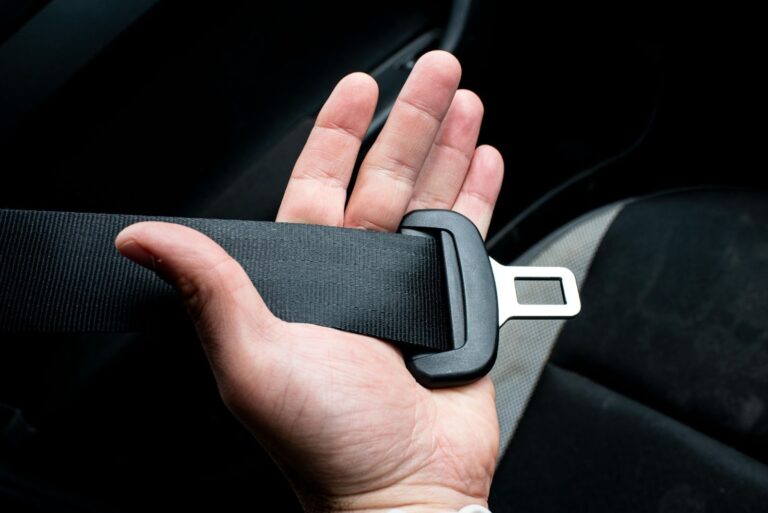
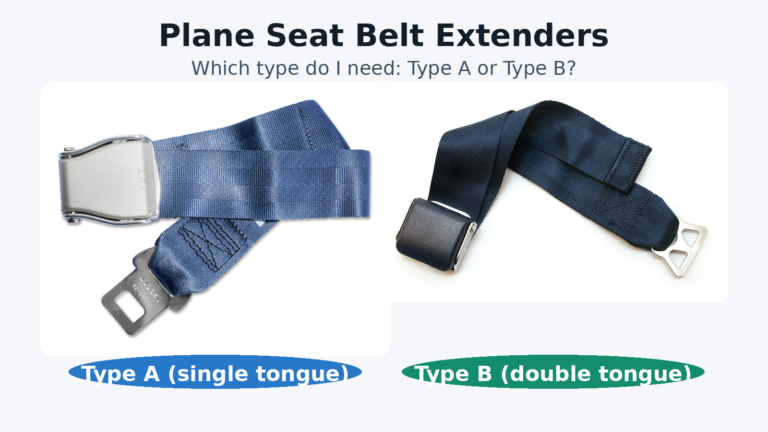
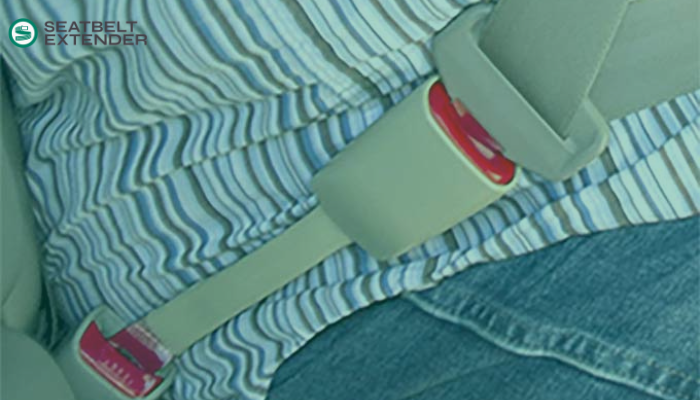
Some people find seatbelts uncomfortable due to body shape, medical conditions, or seating position. In these cases, adjustable seatbelt extenders that can be adjusted from 30-80cm can improve comfort while ensuring the seatbelt is worn correctly and safely.