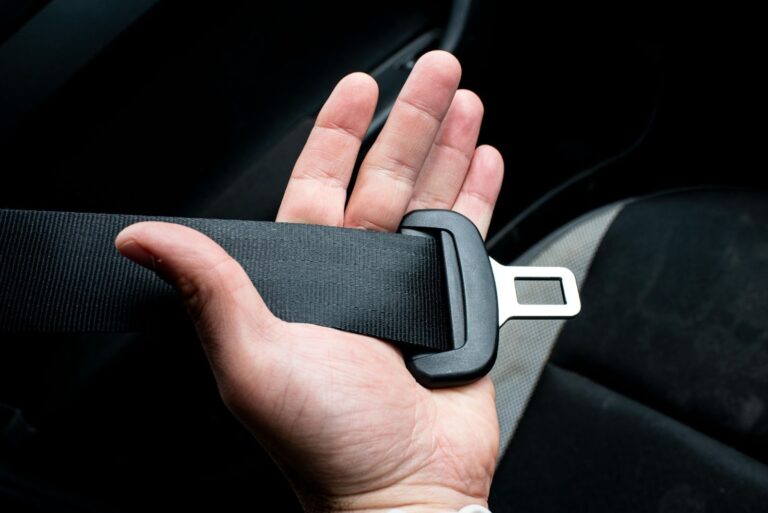


That constant seat belt alarm can be frustrating. It keeps beeping even when the passenger seat is empty or when you are driving slowly on private land. For many drivers, the sound becomes a distraction rather than a safety reminder. 23cm car seatbelt extender
Over time, this irritation leads people to search for quick ways to silence it, often without understanding how the system works or the risks involved. This guide explains how to disconnect a seat belt alarm in a clear and responsible way.
You will learn why the alarm sounds, what options exist, and what drivers in the UK should know before taking action. Read on to the end to make an informed and safe decision.
Seatbelt alarm systems are part of a car’s basic safety setup. They rely on three main components. The first is the seat occupancy sensor, fitted under the passenger seat. It detects weight on the seat. The second is the seat belt buckle switch, which confirms whether the belt is clicked in. The third is the vehicle’s control unit, which processes this information.
When the system senses weight on a seat but no belt is fastened, the alarm sounds. In many cars, even light items such as bags or tools can trigger the sensor. Newer vehicles are more sensitive because they are designed to work alongside airbags and other restraint systems. This is why the alarm may sound even when no passenger is present.
In the UK, the law is clear about one thing: wearing a seat belt on public roads is mandatory for drivers and passengers, with limited medical exceptions. However, there is no specific law that directly bans disconnecting the seat belt alarm itself.
That said, disabling the alarm can lead to problems. If it affects warning lights or safety systems, your vehicle may fail its MOT. Insurance companies may also raise concerns if a safety feature has been altered. On public roads, driving without wearing a seat belt remains illegal, regardless of whether the alarm works or not. Any changes should only be considered for private land or off-road use, and with full awareness of the risks.
Seat belts save lives. UK road safety data consistently shows that wearing a seat belt reduces the risk of fatal injury for front-seat occupants by around 45–50%. Despite this, a significant number of serious injuries still involve people who were not restrained at the time of a crash.
Studies from UK transport authorities also show that around one in four car occupant deaths involve someone not wearing a seat belt. Seat belt alarms play a role in reducing these figures by reminding drivers and passengers to buckle up. Understanding this impact is important before deciding to disconnect or bypass any safety warning system.
The methods below are explained for awareness only. They are not a recommendation for on-road use. UK road laws still require seat belt use on public roads.
Some vehicles offer limited control over warning sounds through the dashboard or infotainment menu. This option is more common in older models or certain premium brands. The setting may allow you to mute alerts or reduce their volume.
Not all cars include this feature, and many newer vehicles have removed it to meet stricter safety standards. Always check the owner’s manual before assuming this option exists.
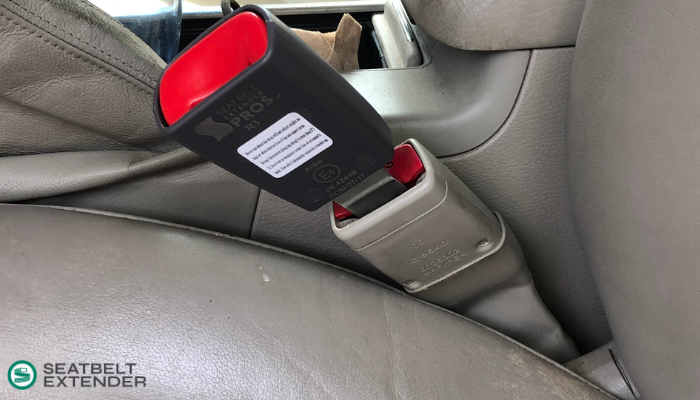
This is one of the most commonly known methods. Inserting the seat belt buckle into the latch stops the alarm because the system detects the belt as fastened.
While it silences the warning, it does not provide any protection. On public roads, using this method without wearing the belt is illegal in the UK and unsafe. It should only be considered for off-road or private land use.
Disconnecting the car battery for a short time can sometimes reset warning systems. This may stop the alarm temporarily, especially if it was caused by a sensor glitch.
However, this method often leads to new problems. Dashboard warning lights may appear, radio settings may reset, and the alarm often returns after a few drives. It is not a reliable or long-term solution.
Professional mechanics can access the vehicle’s system using diagnostic tools. In some cases, they can adjust warning settings through the ECU.
This method should only be handled by trained professionals. Incorrect programming can affect airbags, seat sensors, and other safety systems. DIY attempts can result in costly repairs and MOT failure.
Sometimes the alarm sounds due to a faulty or misaligned seat occupancy sensor. Recalibrating or replacing the sensor can solve the issue without disabling the alarm entirely.
This approach keeps the safety system working as intended and is often the best option when the alarm sounds with an empty seat.
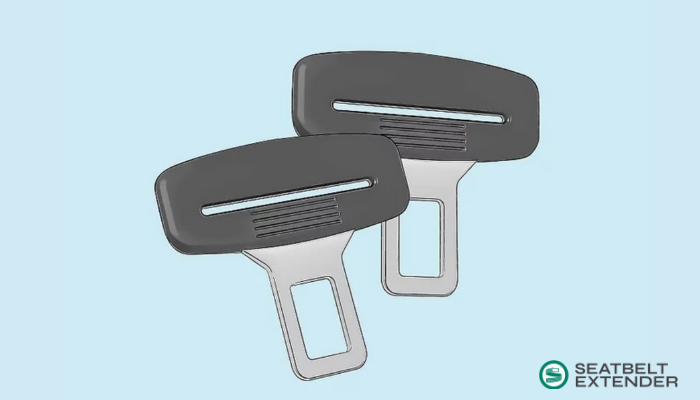
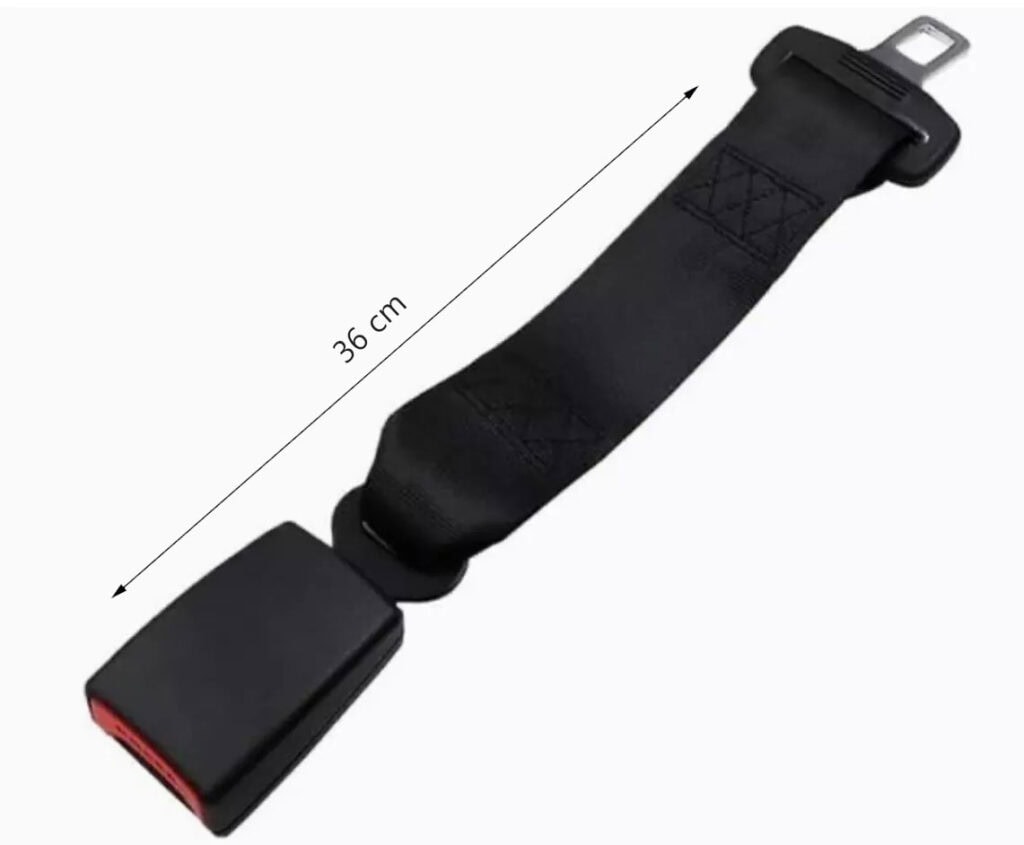
A seat belt extender clips into the original buckle and allows the belt to engage normally. It can prevent false alarms caused by seating position or sensor sensitivity without cutting wires or altering electronics.
The extender must be compatible with the vehicle’s buckle type. When used correctly, it avoids permanent changes and keeps safety systems intact.
Cutting wires or removing sensors may seem like a quick fix, but it often creates serious problems. Seat belt alarms are linked to airbag and restraint systems. Interfering with them can cause airbag warning lights to stay on or airbags to fail during a collision.
Such modifications can also lead to an automatic MOT failure. Repairs after tampering usually cost far more than addressing the original issue properly. In many cases, drivers are left with permanent dashboard warnings that cannot be cleared without specialist equipment.
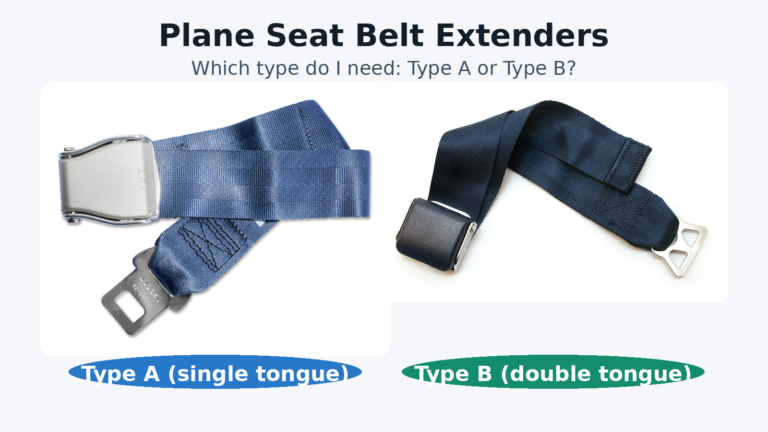
While this guide focuses on car seat belt alarms, similar comfort and fit issues can arise in other forms of transport. For example, some passengers experience tight-fitting seat belts on aircraft, particularly on long-haul flights.
In those cases, FAA-compliant plane seat belt extenders are designed specifically for aviation use and should always be obtained from a trusted source to ensure compatibility and safety. These products are not suitable for vehicles and should never be used as a substitute for car seat belts.
Seat belt alarms exist to protect lives, not to annoy drivers. While there are situations where alarms can malfunction or become impractical, disabling them without understanding the risks can create serious safety, legal, and financial issues. UK road safety data clearly shows that seat belts reduce injuries and save lives.
If an alarm sounds due to a fault, repairing or recalibrating the system is always the safest option. Alternatives like properly fitted seat belt extenders can address comfort or sensor issues without damaging safety features.
Whatever choice you make, always prioritise safety and comply with UK road laws. A quiet dashboard is never worth the risk of serious injury.
For parents, ensuring correct belt fit is especially important — the 5 Step Seat Belt Test explains how to check safely.