
A tight seat belt can make any passenger feel very uncomfortable. When you sit in a car or airplane for a long time, discomfort and stress can quickly ruin the journey. But you don’t have to put up with it because using a seat belt extender can easily solve this problem.
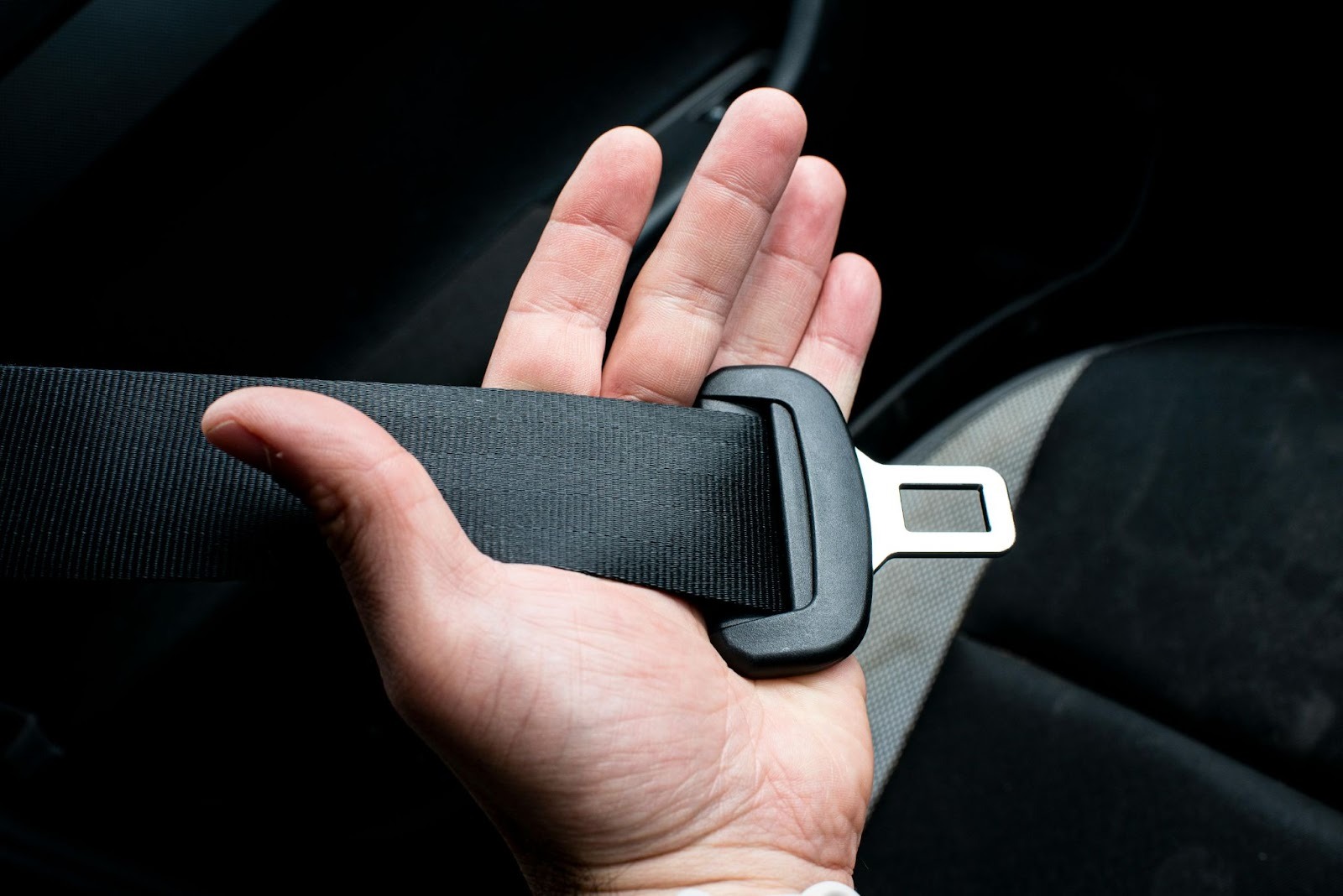
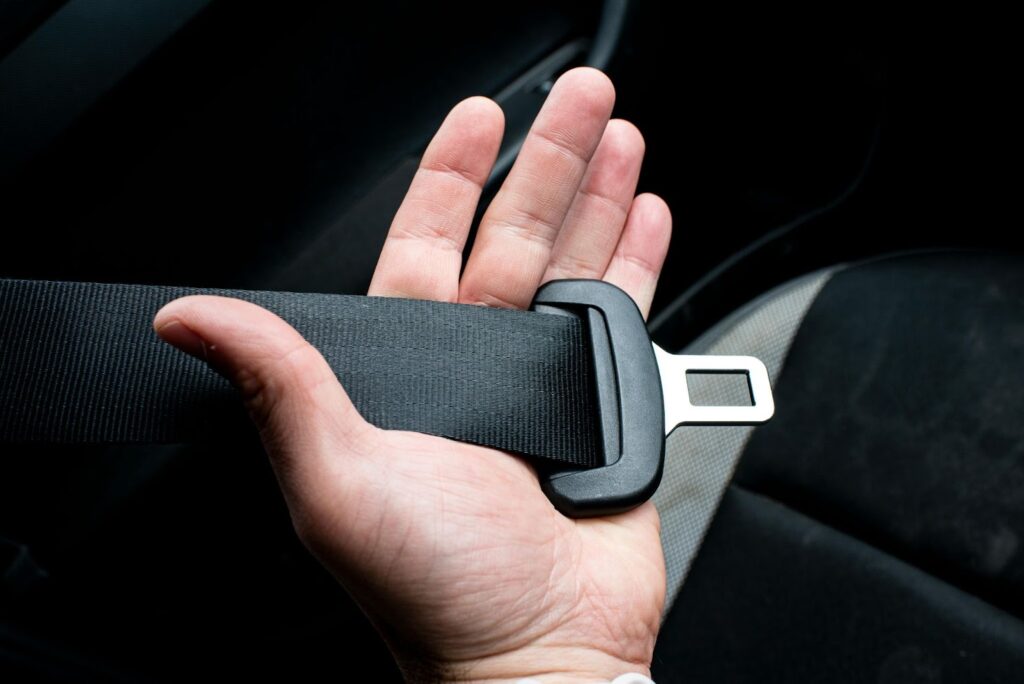
Essentially, a seat belt extender is an extra piece of webbing with a buckle and a tongue, which you fasten to the existing car seat belt buckle for extra length and comfort. Although the idea is pretty simple, implementing it correctly might be a challenge for some.
If you fear you might need to use a seat belt extender, but aren’t quite sure how long the belt extender should be, this guide is for you. We’ll discuss everything you need to know, including a seat belt extender length, ideal case uses, and more.
When it comes to seat belt length, safety should always be the first concern. The standard seat belt length works well for most people. However, if it’s too short, the passenger may be at risk during an emergency. A properly fitted seat belt keeps your shoulders and hips secure, offering both comfort and protection.
If your belt feels too tight, you may not be sitting safely in the car seat. On the other hand, a seat belt extender that’s too long can create extra slack, which increases the risk of sliding forward or hitting your head if the buckle shifts toward the middle.
A good seat belt extender allows you to sit comfortably and focus on your journey. So you don’t have to worry if you’re sitting in the passenger seat, middle seat, aisle seat, or dealing with limited seat width or fixed armrests.
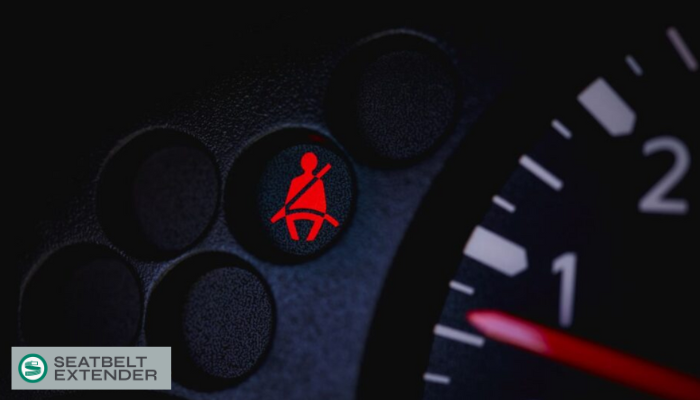
A poorly fitting belt can also trigger seat belt alarms in modern vehicles, which many drivers mistake for a fault rather than a fit issue.
In a car, shorter is almost always better. You want an extender that covers the gap while keeping the buckle firmly against your hips.
Airplane seat belts are naturally shorter than those in cars, often requiring a bit more assistance to reach across the seat width.
To find the exact length you need, you just need a standard measuring tape and a moment in your car seat or an airplane seat. Following these steps ensures you don’t buy an extender that is dangerously long or uncomfortably short.
Most manufacturers offer extenders in standard increments (such as 13 cm, 20 cm, or 30 cm).
Pro Tip: Always round up to the nearest available size. If your calculated need is 15 cm, a 20 cm extender is the most likely fitting extender for you. It is better to have a tiny bit of extra room than to have a belt that is still too tight to click easily.
When selecting an extender, both the design and length are equally important. The choice usually depends on the layout of your vehicle’s seats and your personal mobility requirements.
In many modern vehicles, the buckle is tucked deep into the seat cushion, making it difficult to reach or click into place.
If the primary goal is to stop the belt from digging into your skin or to accommodate a wider seating position, the material of the extender makes a significant difference.
For individuals who find it physically painful or difficult to twist their torso to find the buckle, a longer, stable reach is necessary.
Long Rigid Extender: Extending the buckle point of this extender significantly will place the clicking mechanism directly next to your hip or thigh. This means you do not have to reach behind your back or down into the seat gap.
Many passengers first realize they might need a seat belt extender while flying. Airplane seat belts are often shorter than car seat belts, and seat width can vary across smaller planes, wide-body aircraft, and different seating classes. Business Class seats are usually wider, but the design can still make the belt feel tight.
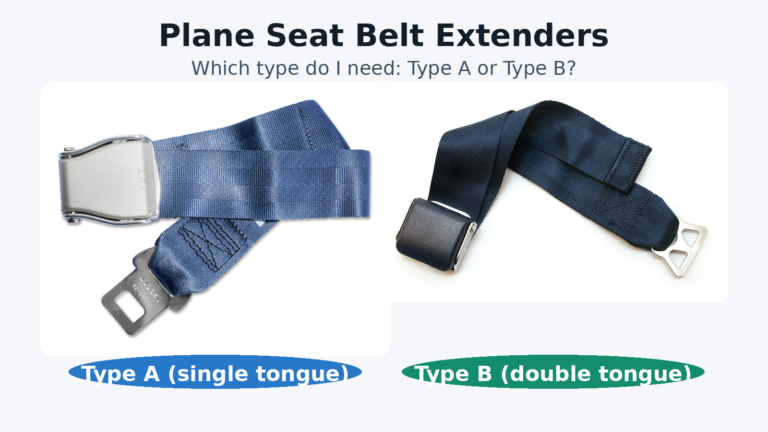
Airplane buckles are fundamentally different from car buckles, using a “lift-flap” release mechanism rather than a push-button. These are designed with the specific metal-on-metal tongue used by most major carriers and let you adjust easily to fit narrow economy seats.
Note, many airlines do not allow the use of personal seat belt extenders, so you might have to ask a flight attendant for one.
If your airplane belt doesn’t reach comfortably, don’t worry because most airlines provide certified seat belt extensions on request. Simply ask a flight attendant, who will discreetly assist you. British Airways, Virgin Atlantic, United Airlines, Delta, American Airlines, and Alaska Airlines all have approved extenders compatible with their aircraft safety systems.
Check your comfort needs before boarding. If you regularly find airline seat belts restrictive, measuring your fit in advance can help you understand whether you may need a FAA certified plane seat belt extender, depending on the aircraft and airline policies.
There are some situations when a longer extender is a great help for a seat occupant:
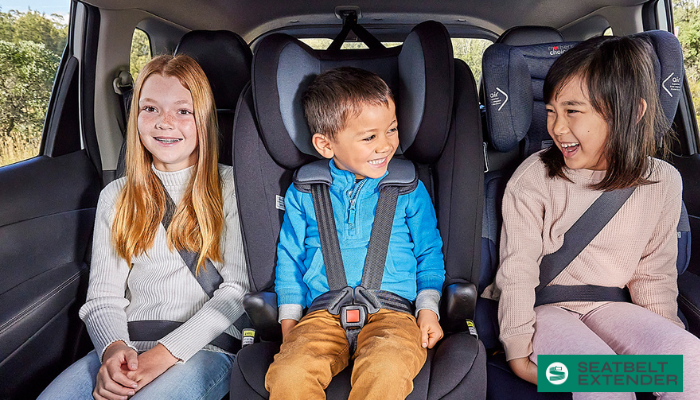
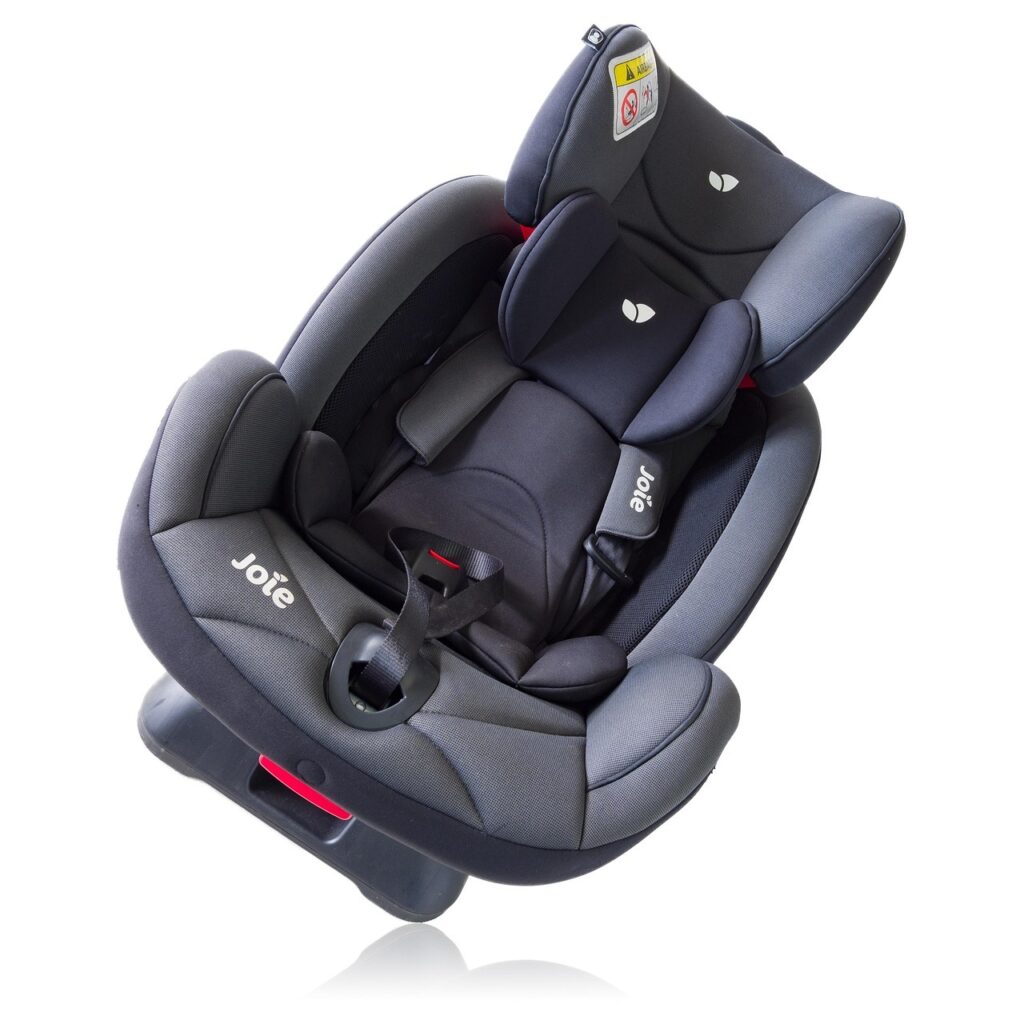
However, there are certain situations where using a seat belt extender is a definite no. Seatbelt extenders should never be used in conjunction with a child car seat, for instance. Most car seat manufacturers clearly forbid it as it can hinder the process of securing the car seat to the vehicle.
Also, if you are able to already click your seat belt, even if it’s a little tight, you normally don’t require a seatbelt extension.
When you have decided to buy a seat belt extender for your car, the length is just one portion of the challenge. You also need to ensure the buckle type is the same as your vehicle’s.
Most add between 10 cm and 60 cm. The most common fixed length is around 36 cm, which provides enough extra space for most passengers without creating too much slack in the belt.
Yes, if it is too long or not certified. If the extender moves the buckle away from your hip and toward your stomach, it can cause injury. Always choose the shortest length that allows you to click into the seat comfortably.
Absolutely. Sit in your car seat, pull the existing seat belt as far as it goes, and measure the gap to the buckle. This ensures you don’t get a belt extender that is unnecessarily long.
The “safest” length is whatever length allows the buckle to sit at the side of your hips. For many, this is a seatbelt extender between 20 cm and 35 cm.
Adjustable seat belt extenders offer more flexibility, which is great if you change your seating position or wear heavy clothing in the vehicle. However, fixed-length car seat belt extenders are often felt to be more “sturdy” by some users.
In some modern airplanes and vehicles, the computer needs to know the seat belt is buckled to properly deploy safety systems. Using a high-quality, vehicle-specific extender ensures these sensors still work correctly.
Check for E-marks or other safety certifications. A reputable shop will allow you to search by your specific car make and model to find a guaranteed fitting extender.
A seat belt extender has two main benefits: safety and comfort. You shouldn’t have to choose between the two when you are getting ready for a trip. The right size and length of a seat belt extender will ensure that you remain secured during your journey.
No matter if your trip is a long-haul flight with British Airways or Virgin Atlantic, or just a quick drive to the market, being safe and relaxed should always be the top priority. A seat belt that is too tight or getting a seat in the aisle that is too small should not be reasons to ruin your trip. Measure, pick out the shortest extender that fits your hips, and get accustomed to the reassurance that comes with a secure “click.”