
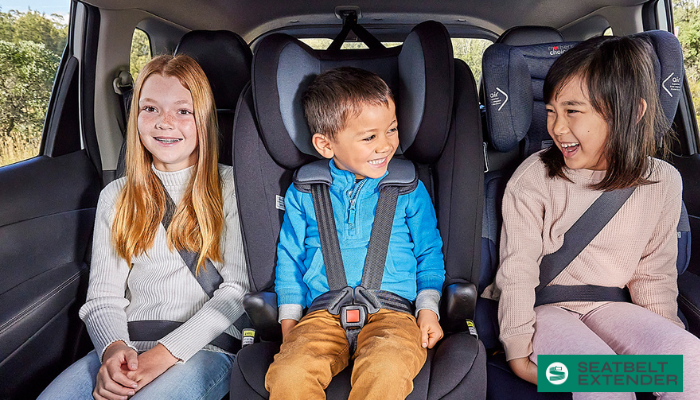
Every year, thousands of children in the UK face serious injuries in car accidents simply because their seat belts don’t fit correctly. Many parents assume their child is ready to ride without a booster seat, only to discover the lap belt sits too high or the shoulder belt slips off the shoulder. This poor fit can turn even a short trip into a safety risk.
The good news is there’s a simple way to check: the 5 Step Test for SeatBelt. By following this easy method, you can ensure your child rides safely in every vehicle seat. Keep reading to learn how to protect your little ones and get peace of mind on every journey.
The 5-Step Seat Belt fit test is a simple, reliable method to check if a child can safely use a vehicle’s seat belt without a booster seat. It focuses on proper belt fit, child passenger safety, and correct positioning on the vehicle seat.
Many parents struggle with knowing the right age or size for their child to ride without a booster seat, and incorrect use of lap belts and shoulder belts can lead to serious injuries in a crash.
According to UK road safety data, children under 12 are twice as likely to be injured if the seat belt does not fit properly. By following the 5 steps, you can ensure your child can safely ride in the front seat or back seat with confidence.
The first step checks that your child sits with their back flat against the vehicle seat. The child’s spine must be fully supported by the seatback. If they slouch forward or cannot sit upright, the shoulder belt may not stay in place, reducing crash protection.
Why it matters: In collisions, slouched children are at higher risk of head and neck injuries. Studies show that upright posture improves the effectiveness of lap belts and shoulder belts by up to 40% in side and frontal impacts. Ensure your child can sit like this all trip long, even on short journeys, before attempting to ride without a booster seat.
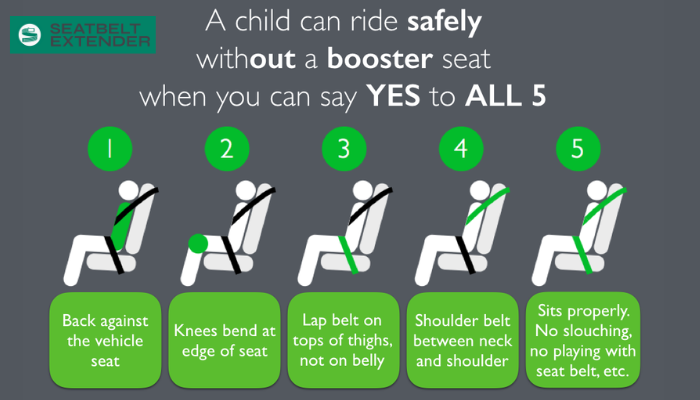
Check that your child’s knees bend naturally over the edge of the vehicle seat without sliding forward. This ensures that the lap belt rests low across the hips and thighs rather than the stomach, which can prevent internal injuries in a crash.
Key point: If your child’s feet dangle or knees cannot bend properly, a booster seat is still necessary. Research indicates that children whose knees are correctly positioned are 30% less likely to experience abdominal injuries during an accident. Proper leg alignment also helps them stay in the correct seat belt fit, keeping them comfortable and secure.
The lap belt should sit snugly across the upper thighs and low on the hips, never on the stomach. This positioning allows the belt to distribute crash forces over the stronger pelvic bones, reducing the risk of injury.
Parents often allow the lap belt to ride up onto the abdomen, thinking it’s comfortable. UK safety authorities warn that this can lead to serious internal injuries even in minor collisions. By ensuring the lap belt is properly fitted, your child can safely ride in the car seat without a booster, maintaining proper child passenger safety.
The shoulder belt should cross the middle of your child’s shoulder and chest, not the neck or face. Proper shoulder belt placement keeps the upper body restrained while preventing neck injuries.
Why it’s important: If the belt slides off the shoulder or behind the back, the child could be ejected in a crash. Studies show that children using shoulder belts correctly are up to 50% less likely to suffer serious head or chest injuries. Ensuring the belt fit includes the shoulder belt is critical before letting a child ride without a booster seat in the front seat or back seat.
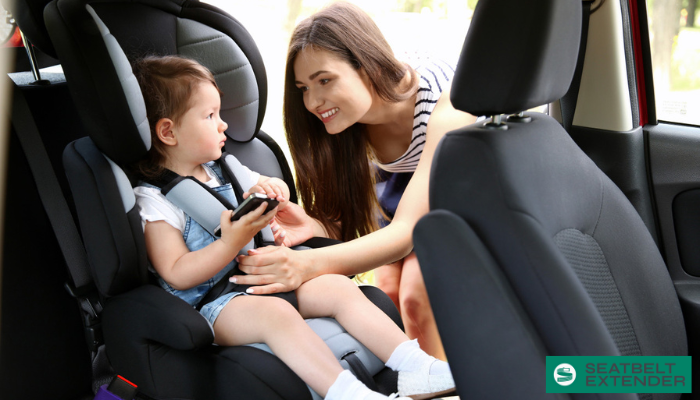
The final step evaluates behaviour. Your child must be able to maintain proper seat belt positioning—both lap belt and shoulder belt—for the duration of the journey. Even the best car seat or belt fit is useless if the child slouches, twists, or removes the belt.
Tips for success:
Knowing when your child can ride without a booster seat is crucial for child passenger safety. In the UK, children must use a car seat until they are 12 years old or 135 cm tall, whichever comes first. However, height and belt fit are more important than age alone.
Key indicators that a child can transition:
Even the best car seat and belt cannot protect a child if parents make common errors:
The 5-Step Test for Seat Belt is a simple, effective way to check if your child can safely use a seat belt without a booster. By following these five steps, you can protect your child and reduce the risk of injury in every trip.
Always prioritise child passenger safety, check belt fit regularly, and ensure children can ride without a booster seat safely in both back and front seats. Taking a few minutes to perform the 5-Step Test can make a lifelong difference in keeping your little ones secure.